 Sophia Electric Appliance
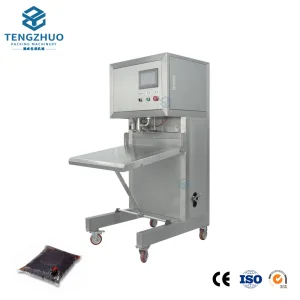
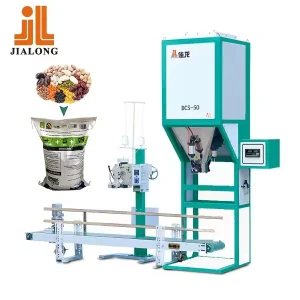
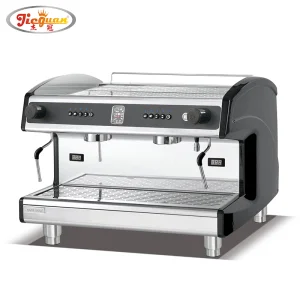
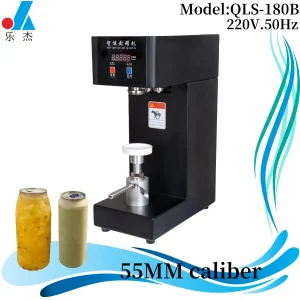
Four core machine families — espresso extraction, liquid filling, vacuum sealing and canning — selected for the operational realities of Mulifanua's hospitality, retail and food-processing sectors.
Mulifanua sits on the northwestern coast of Upolu in Samoa and hosts Faleolo International Airport — the country's primary international gateway. That single geographic fact reshapes how coffee equipment must be specified, shipped, serviced and monetised in this market.
For a semi-automatic coffee machine manufacturer supplying the Mulifanua market, the buying logic is not the same as in Auckland, Sydney or Singapore. Volumes per outlet are modest but highly seasonal, driven by airline crew traffic, returning diaspora families, resort guests and government delegations. Power is 220–240V at 50Hz. Water hardness and supply pressure vary between the airport corridor, beach fale accommodation and Apia-based cafés 40 km east. Freight arrives by sea container through Apia Port or by air freight, and spare-part lead times are measured in weeks, not days.
This means the winning specification is a semi-automatic espresso machine with a mechanical group, a rotary pump, a large boiler and field-serviceable components — not an internet-connected automatic unit that needs firmware support from another continent. Mulifanua buyers value machines that a local technician can open, diagnose and repair with a standard tool kit and a spare gasket set.
Faleolo Airport lounges, crew rest areas and nearby transit cafés need fast recovery between flights — a 2-group semi-automatic with dual steam wands and stable temperature is the practical answer.
Boutique resorts along the Mulifanua–Manono corridor run breakfast peaks of 60–150 covers. Single-group and compact 2-group semi-automatic units with quick steam frothing fit limited back-of-house footprints.
Distributors stocking Apia and Mulifanua retail shelves require consistent 220V builds, English-language manuals, and packaging that survives humid tropical storage without corrosion.
After a decade of automatic-machine hype, the global specialty coffee sector is rebalancing toward semi-automatic equipment. The reason is economic and operational: semi-automatic espresso machines give operators control over extraction while keeping capital cost and maintenance complexity far below fully automatic systems.
Independent cafés, boutique hotels and restaurant groups continue to specify semi-automatic 1-group and 2-group espresso machines because the barista remains the quality controller. In island and remote markets, this is even more pronounced: an operator cannot afford a machine that requires cloud diagnostics when the nearest authorised service partner is an ocean away.
Global wholesale buyers — from Pacific Island distributors to Middle Eastern hospitality groups — increasingly request OEM branding, region-specific voltage and plug standards, and multi-language manuals as baseline requirements rather than premium add-ons.
The same buyer ecosystem that purchases espresso machines also purchases filling, vacuum sealing and canning equipment. Coffee roasters in export markets need vacuum packaging for green and roasted beans; beverage producers need can seaming for ready-to-drink coffee; tea and drip-bag producers need precision liquid filling.
This is why a semi-automatic equipment portfolio — rather than a single-product catalogue — is the commercially correct structure for the Mulifanua market and comparable Pacific economies.
| Global Trend | Impact on Mulifanua Buyers | Factory Response |
|---|---|---|
| Rise of specialty cafés in secondary cities | More single-group and compact 2-group installations | Compact chassis, dual-purpose steam wand, low counter footprint |
| Supply-chain regionalisation | Buyers consolidate orders from fewer, more reliable suppliers | Mixed-container loading across espresso, filling and sealing lines |
| Energy-cost sensitivity | Insulated boilers and heat-exchanger designs preferred | Insulated steam and brew boilers, PID temperature stability |
| Serviceability as a purchase criterion | Mechanical parts and standard fittings favoured | Standard group heads, widely available gaskets, published parts lists |
| OEM/private-label growth | Distributors want their own brand on the machine | Silk-screen logo, custom colour, custom carton printing |
Sourcing from a Chinese semi-automatic coffee machine factory is not simply a cost decision. For Mulifanua buyers, the real advantage is supply-chain density — the ability to source stainless steel bodies, group heads, pumps, solenoids, electronics and packaging within a few hundred kilometres, then consolidate everything into one container.
Jiangsu Sophia Electrical Appliance Co., Ltd. integrates design, production, sales and after-sales service under one roof. Products include blade-type multi-function grinders, manual grinders, portable grinders, fully automatic grinders and portable coffee machines, with relevant patent certificates secured.
In-house tooling and assembly mean faster iteration on voltage, plug type, colour and branding for export orders.
Espresso machines, vacuum packers, auger fillers and can seamers can be loaded together in a single 20ft or 40ft container bound for Apia Port. This reduces per-unit freight cost and simplifies customs clearance for the importer.
Export-grade cartons with foam inserts and moisture barriers protect equipment during tropical sea transit.
Pre-shipment pressure testing, electrical safety checks under 220–240V/50Hz, boiler leak tests and steam performance verification are standard. Documentation packs include wiring diagrams, parts lists and operation manuals in English.
Consistent QC is what converts a first order into a repeat distribution agreement.
Semi-automatic equipment must be matched to the physical environment and daily workflow of each Mulifanua venue type.
A 90-room resort near Mulifanua runs a 06:30–10:00 breakfast window with two espresso-based drinks per guest at peak. A 2-group semi-automatic machine with dual steam wands, a 9-bar rotary pump and a 11L+ boiler handles the surge without temperature collapse.
Operational note: pair the machine with a high-capacity grinder on demand and a plumbed-in water softener, because tank refilling during peak service is the most common bottleneck.
Lounges and corporate offices require low-operator-skill consistency. Entry-level semi-automatic machines with auto power-off, anti-drip spouts and measuring-cup reminders reduce waste and countertop mess, while quick-steam milk frothing keeps drink quality predictable for staff with minimal barista training.
Samoa's emerging local coffee and beverage producers need more than an espresso machine. Semi-automatic liquid filling for drip bags, 25–50kg auger filling for powder, PLC vacuum packaging for beans and can seaming for ready-to-drink products form a complete micro-factory setup that can be installed in a single phase.
Small portable semi-automatic espresso machines serve hotel room amenities, guest fale and residential kitchens where counter space and electrical capacity are limited. EU-style plugs and compact footprints make them suitable for imported appliance retail channels across Samoa.
Institutional and distributor buyers evaluate semi-automatic coffee machines against a structured procurement matrix. The checklist below reflects what multinational hospitality groups and Pacific importers actually ask for.
A practical selection framework for Mulifanua and wider Pacific buyers choosing between semi-automatic machine classes.
| Operator Type | Recommended Class | Key Criteria | Typical Daily Volume |
|---|---|---|---|
| Home / hotel room | Mini portable semi-automatic | Compact footprint, anti-drip spout, auto power-off | 2–15 cups |
| Office pantry | Single-group entry semi-automatic | Simple controls, fast steam, easy cleaning | 15–60 cups |
| Boutique café | Single-group professional | 9-bar rotary pump, PID stability, standard group head | 60–200 cups |
| Resort / high-volume café | 2-group commercial semi-automatic | Dual steam wands, large insulated boiler, plumbed water | 200–600 cups |
| Distributor / wholesaler | Mixed portfolio | OEM branding, spare-parts support, consolidated container | Container-scale |
Jiangsu Sophia Electrical Appliance Co., Ltd. is an innovative household small appliance manufacturer integrating design, production, sales and after-sales service. Since its establishment, the company has developed and produced blade-type multi-function grinders, manual grinders, portable grinders, fully automatic grinders and portable coffee machines, obtaining relevant product patent certificates.
For the Mulifanua market, this portfolio depth matters: a distributor can build a complete coffee category — from grinders to semi-automatic espresso machines to packaging equipment — from a single qualified supplier, reducing inspection costs and consolidating freight.


Direct answers to the questions most often raised by Pacific Island importers, resort operators and distributors evaluating a semi-automatic coffee machine supplier.
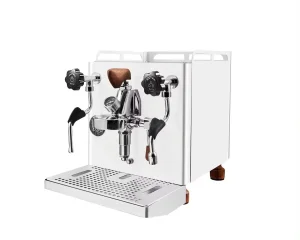
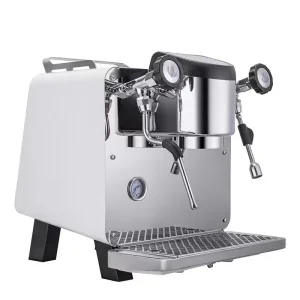
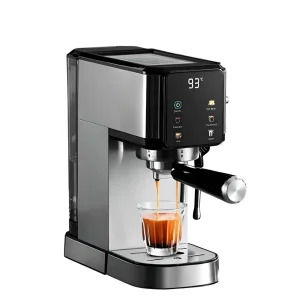
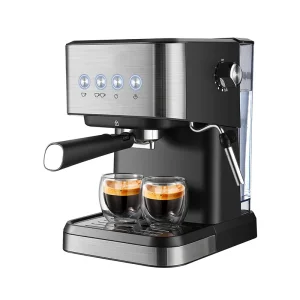
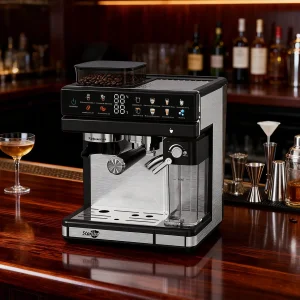
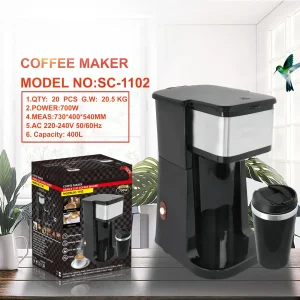
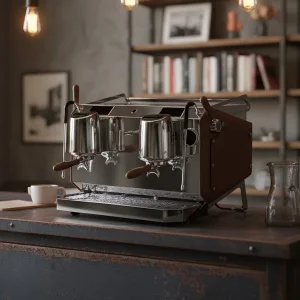
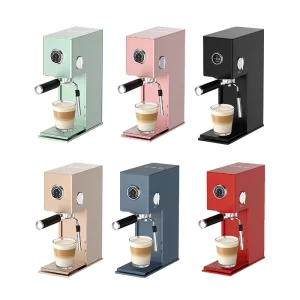
Eight further models covering commercial espresso, office and home use, private-label programmes and quick-steam milk frothing — all available for consolidated shipment to Mulifanua.
Share your required model mix, voltage, branding and destination port. Our export team will return a consolidated quotation with spare-parts recommendations and container-loading plan.
✉ Send Inquiry Now