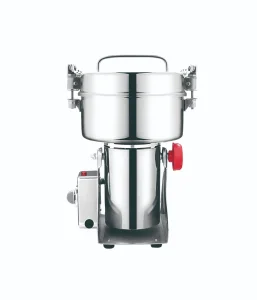
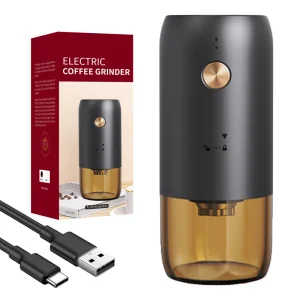
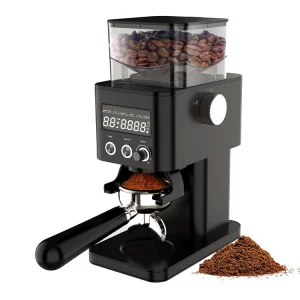
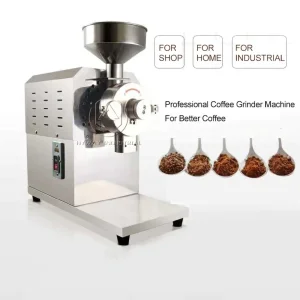
In the evolving world of specialty coffee, the term "Zero Retention" has moved from a niche enthusiast requirement to a global industrial standard. Today, zero retention grinders are at the heart of the "Single Dose" movement, which prioritizes freshness and precision over bulk storage. From the high-end boutiques in London and Tokyo to the bustling commercial roasteries in New York, the demand for grinders that leave no residual "old" grounds in the chamber is skyrocketing.
Industrial Significance: In a commercial setting, grinder retention—the coffee grounds trapped inside the machine—leads to waste and flavor contamination. A traditional grinder might hold 5-10 grams of stale coffee. In contrast, Zero Retention Grinder Factories in China are now producing units with less than 0.1g of retention, ensuring that every shot of espresso is as fresh as the beans just dropped into the hopper.
Globally, the market is witnessing a shift towards high-torque, low-RPM motors and vertically mounted burrs. These engineering choices, pioneered by leading suppliers, minimize centrifugal trapping and static buildup. As the specialty coffee market is projected to grow significantly through 2030, the role of Zero Retention technology becomes a critical competitive advantage for cafes and equipment distributors alike.
Modern grinders are no longer just mechanical tools. The integration of AI-driven grind adjustment and variable speed control allows baristas to optimize the "grind profile" for specific bean origins. Smart sensors now detect burr temperature and adjust speed to prevent bean scorching, a feature becoming standard in top-tier China Zero Retention Grinder supplies.
 Sophia Electric Appliance