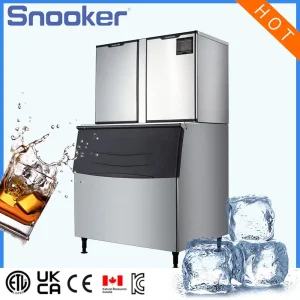
Premium OEM and retail-ready coffee appliances engineering maximum flavor extraction efficiency
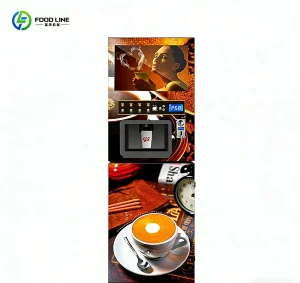
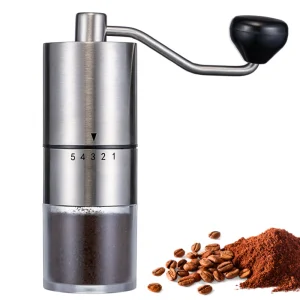
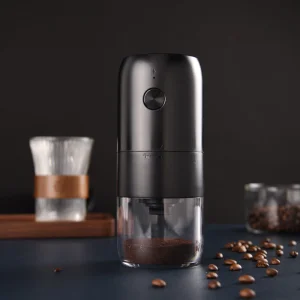
The global coffee industry is undergoing a structural paradigm shift driven by stringent carbon neutrality mandates, environmental policies, and evolving consumer values. Historically, single-use bleached paper filters and petroleum-derived plastic pods dominated the consumer landscape. However, the macro-level commercial reality of the mid-2020s points directly to the optimization of reusable filtration systems.
From a supply chain perspective, B2B procurement divisions within global hospitality, catering, and office networks are phasing out disposable filters to drastically reduce waste management costs and optimize scope 3 carbon emission profiles. Advanced reusable filters—primarily constructed using ultra-fine micro-etched SUS304 or SUS316 food-grade stainless steel mesh and BPA-free high-temperature polymers—have transitioned from novelty lifestyle products into critical industrial standards.
"Sustainable beverage filtration represents one of the highest ROI shifts in modern corporate environmental strategies. Replacing paper filters with engineered steel micro-meshes reduces recurring operational overhead while eliminating paper fiber chemical residuals from the extraction process."
Furthermore, high-precision manufacturing processes such as photo-chemical etching now allow factories to achieve filtration thresholds down to 50-100 microns. This mimics the flow rate resistance of traditional paper filters while retaining the natural, lipid-rich oils of the coffee bean that define the sensory depth of espresso and drip profiles.
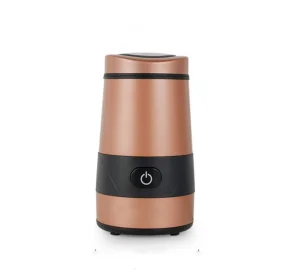
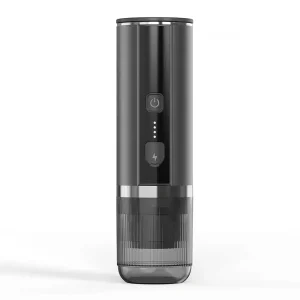
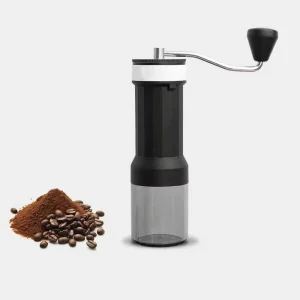
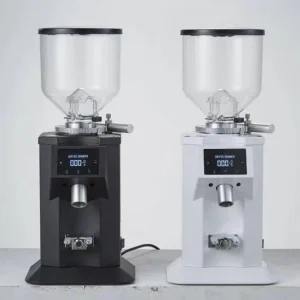
Jiangsu Sophia Electrical Appliance Co., Ltd. stands as a premier hub of innovation in the global household and commercial small appliance manufacturing sector. The company successfully integrates advanced industrial design, high-capacity production, comprehensive global sales networks, and dedicated after-sales support systems under one unified facility. Since our inception, we have systematically developed and manufactured blade-type multi-function grinders, manual grinders, portable grinders, fully automatic grinders, and portable coffee machines. Over years of intensive R&D, we have secured numerous product patents, positioning us at the forefront of the global coffee accessory supply chain.
With a focus on mechanical reliability and aesthetic refinement, Jiangsu Sophia's production floor utilizes state-of-the-art injection molding machines, robotic assembly lines, and high-performance testing chambers to guarantee that every coffee grinder and filtration accessory meets rigid international standards.


The performance of a reusable coffee filter is dictated by two primary physical criteria: fluid mechanics and mechanical stability. Our manufacturing lines solve these complexities by implementing advanced materials science and micro-precision engineering.
Material Composition: We utilize food-contact grade SUS304 and SUS316 stainless steel. These alloys feature exceptional resistance to acidic oxidation (coffee naturally exhibits a pH range of 4.5 to 5.1) and structural degradation over thousands of heating-cooling cycles. Standard plastics are replaced by heat-stabilized Polypropylene (PP) or Tritan™ Copolyester, ensuring absolutely zero BPA, BPS, or phthalate migration during hot water brewing (typically conducted at 90.5°C to 96.1°C).
Filtration Geometry: Traditional wire mesh filters are prone to structural deformation and uneven pore distribution. To mitigate this, Jiangsu Sophia employs high-precision automated photo-chemical etching. This allows us to cut conical, cylindrical, or flat disc filters with geometric hole diameters ranging from 50 to 120 microns. The resulting uniform flow resistance profile prevents "channeling"—a common extraction failure where pressurized water paths bypass the coffee bed, leading to under-extracted, sour beverages.
To understand why global buyers are transitioning to micro-etched steel filtration, consider the following performance parameters:
Entering international retail and hospitality spaces requires rigid adherence to food-contact safety compliance standards. Jiangsu Sophia has developed a robust global regulatory framework to support distributors and retail brands in the North American, European, and Asia-Pacific markets.
Every reusable filter configuration we manufacture undergoes strict laboratory audits:
Beyond product compliance, our logistical infrastructure features localized warehouse support, localized customs brokerage partners, and DDP (Delivered Duty Paid) shipping choices. This ensures that B2B procurement processes remain seamless, minimizing lead times and eliminating unpredictable import tariff delays.
As we look towards the next generation of beverage preparation technology, Jiangsu Sophia is actively investing in three primary research and development directions:
1. Hydrophobic and Oleophobic Nano-Coatings: Standard steel filters can experience sediment and oil buildup over long-term use. We are testing physical vapor deposition (PVD) nano-coatings that repel fine particles and residual oils. This self-cleaning property reduces cleaning intervals, speeds up commercial workflows, and preserves flavor purity.
2. Eco-Friendly Bio-Composite Polymers: In alignment with global circular economy goals, our material engineering team is prototyping high-performance biodegradable structural matrices. These materials combine the heat resistance and structural integrity of industrial plastics with rapid soil-biodegradation characteristics at the end of the product's operational life.
3. Advanced Fluid Flow Simulation: Using finite element analysis (FEA), we model micro-fluid dynamics through varied mesh arrangements. By customizing hole shapes (e.g., trapezoidal vs. circular pores), we can adjust flow rates to highlight specific regional coffee characteristics, matching regional taste profiles.
Industrial performance extraction equipment engineered for high-durability environments
 Sophia Electric Appliance