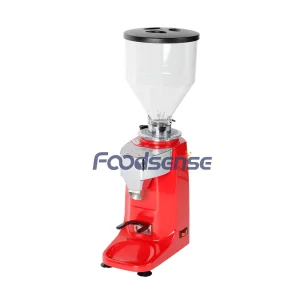
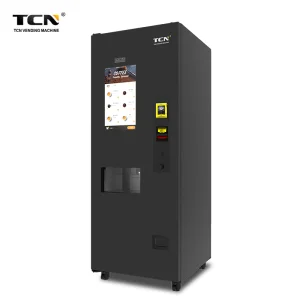
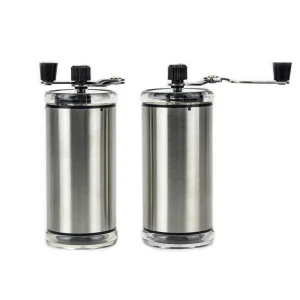
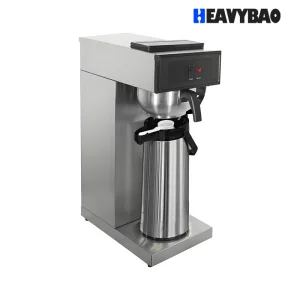
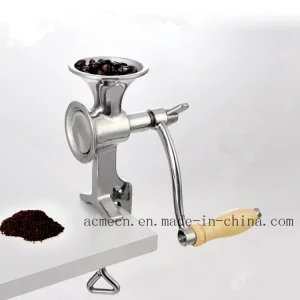
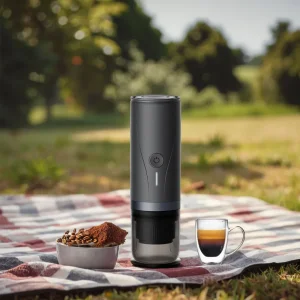
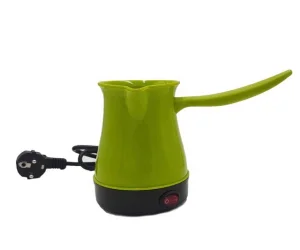
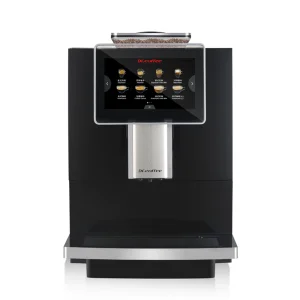
Premium selection of commercial-grade brewing systems, smart grinders, and integrated vending units designed for global distribution and high-performance commercial integration.
Analyzing global demand trajectories, technological transitions, and macro-level changes driving the coffee percolator and commercial brewer market.
The global coffee equipment manufacturing landscape is witnessing a profound transformation. Traditionally valued for its robustness and large-batch brewing efficiency, the coffee percolator has re-emerged as a core focus area for corporate sourcing agents, institutional hospitality chains, and domestic small appliance brands. This resurgence is fueled by advancements in thermal stability engineering, precise pressure extraction systems, and the integration of smart IoT controls that redefine the modern brewing ecosystem.
According to recent industry analytics, the demand for commercial-grade percolator systems and advanced multi-functional grinding units has expanded by 8.4% annually. B2B buyers are no longer merely comparing unit costs; instead, they are prioritizing manufacturers who offer comprehensive OEM/ODM design capacities, rigorous compliance mapping (specifically regarding safety clearances such as CE, RoHS, UL, and FDA), and robust localized technical support networks. This whitepaper serves as an authoritative guide to understanding how leading exporters and manufacturers, including industry pioneers like Jiangsu Sophia Electrical Appliance Co., Ltd., are reshaping global supply chains to accommodate high-capacity extraction dynamics while retaining maximum operational reliability.
A strategic breakdown of key regional expectations, technical requirements, and pain points in international distribution.
Different markets mandate unique safety assessments. European distributors strictly require CE and RoHS declarations, while North American markets necessitate UL/ETL listings. Leading suppliers must design components that conform to food-contact-grade LFGB and FDA requirements to avoid custom clearance friction.
Modern consumers demand differentiated form factors. Global brand owners require flexibility in industrial styling—ranging from retro stainless steel aesthetics to ultra-sleek matte black finishes—alongside tailored electrical specs, heating speeds, and personalized double-walled vacuum insulation options.
Experienced procurement managers look past initial FOB prices. They calculate long-term costs based on container utilization metrics, heating element lifetimes, power draw parameters (eco-design requirements), and the availability of plug-and-play replacement components to minimize post-purchase friction.
Examining Sophia's state-of-the-art product lines, production engineering, and proprietary patent portfolios.

Jiangsu Sophia Electrical Appliance Co., Ltd. is a critically acclaimed, high-tech household and commercial appliance manufacturer. Integrating industrial design, precision manufacturing, domestic/international sales, and proactive technical service, Sophia has built a strong reputation as an industry innovator.
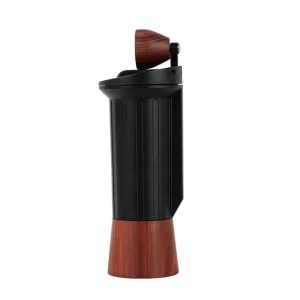
Since its founding, Sophia has focused on engineering specialized extraction components, securing numerous patents for blade-type multi-function grinders, high-durability manual grinders, and portable travel-friendly brewers. By applying automated manufacturing methodologies, the company ensures that every unit meets strict international standards, providing unmatched value to global importers, retail chains, and appliance brands.
An inside look at the thermodynamic and physical design breakthroughs necessary for uniform, consistent flavor profiles.
A premium coffee percolator relies on precise thermodynamic regulation. Historically, early percolator models faced criticism for occasionally over-extracting the grounds due to unpredictable cycling temperatures. To resolve this, modern manufacturing relies on two main advancements:
By using these engineering principles, modern percolators achieve extraction rates comparable to commercial drip systems. This makes them highly popular in hotel lobbies, corporate catering, and offices where high-volume brewing and ease of maintenance are essential.
The developmental trajectory of smart, automated, and sustainable commercial brewing appliances.
Developing built-in scale systems and optical sensors to automatically adjust brewing times based on coffee weight and water clarity.
Using variable-speed pump mechanisms to support pre-infusion cycles, giving users greater control over flavor extraction.
Enabling Bluetooth and Wi-Fi connectivity for smart diagnostics, maintenance alerts, and custom recipe programming for office chains.
Redesigning heating elements to use up to 30% less standby energy while moving to biodegradable polymers in packaging and construction.
Understanding the standard factory checkpoints and testing protocols required to ensure durable hardware.
To succeed in international distribution, suppliers must maintain rigorous testing standards. Reliable manufacturers implement strict multi-stage quality control (QC) workflows:
1. Incoming Quality Control (IQC): Testing all raw materials, heating elements, and thermostat components before they reach the production line to ensure they match specification requirements.
2. In-Process Quality Control (IPQC): Testing electrical insulation, high-pressure tolerance, and water-circuit integrity at key points during assembly.
3. Outgoing Quality Control (OQC): Running final functional and performance tests on random units from every shipment to verify temperature stability and safety features before export.
Working with suppliers that provide comprehensive inspection logs and certified lab testing (such as SGS or TÜV Rheinland) helps global buyers avoid product recall risks, protect their brand reputation, and ensure high customer satisfaction.
Expert answers addressing the core design, logistics, and engineering challenges faced by B2B buyers.
Drip machines pass hot water through the coffee grounds once using gravity, resulting in a lighter body. Percolators cycle boiling water through the coffee grounds multiple times using physical pressure, creating a bolder extraction and a richer flavor profile.
Manufacturers use premium materials like SUS304 stainless steel heating bases and integrate dual thermal fuses. These protect the unit from overheating during dry-boil conditions, ensuring long-lasting performance even with daily commercial use.
Yes. Sophia offers full customization for regional voltage requirements—including 110V-120V (60Hz) for North American markets and 220V-240V (50Hz/60Hz) for European and Asian markets. They also offer a variety of regional plug choices.
Standard OEM production runs average 35 to 45 days after design approval and deposit. Highly customized ODM designs require additional development time for tooling, prototyping, and compliance testing.
Exporters use ISTA-certified drop-resistant packaging, high-strength double-wall corrugated outer cartons, and customized foam inserts to keep products secure during long transit routes.
Expanding your opportunities with reliable espresso machines, portable extraction solutions, and commercial beverage dispensers.
 Sophia Electric Appliance