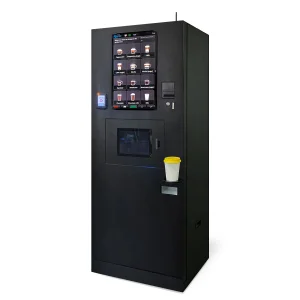
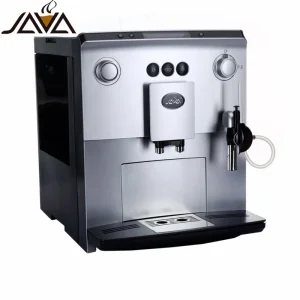
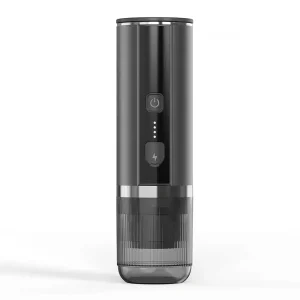
In the global hospitality, corporate, and residential appliance landscapes, the demand for precision infusing equipment has risen exponentially. Sourcing premium brewing systems requires a careful evaluation of hardware tolerance, thermal consistency, and grinding particle size distribution.
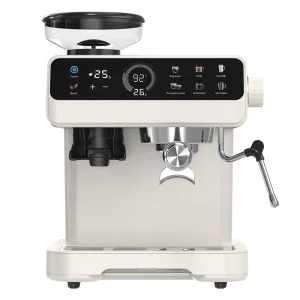
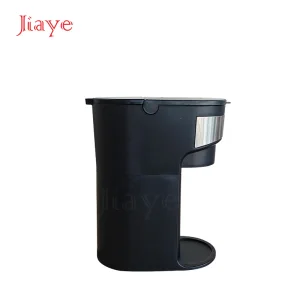
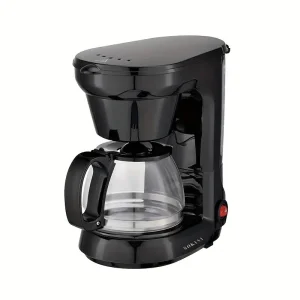
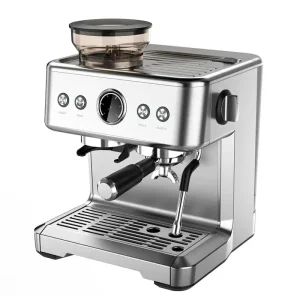
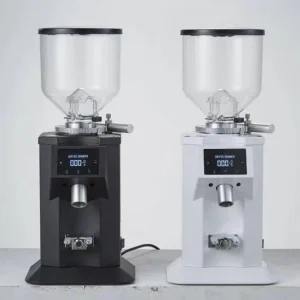
The commercial and industrial coffee brewing market has undergone a significant paradigm shift. Modern extraction science prioritizes the preservation of volatile aromatic compounds and precise control over total dissolved solids (TDS). High-performance coffee infusers and automatic coffee machines now rely on digital temperature stability loops, dynamic flow profiling, and integrated ceramic grinding mechanisms to fulfill strict consistency protocols across international franchises and boutique cafes alike.
Eastern China, particularly industrial hubs like Jiangsu, has consolidated a robust infrastructure for electrical appliance fabrication. Through highly optimized tool and die processing, integrated electronics manufacturing services (EMS), and rapid prototyping loops, Chinese factories maintain unmatched time-to-market speed. This advanced ecosystem enables brands like Jiangsu Sophia Electrical Appliance Co., Ltd. to deploy high-precision burr grinders and multifunction brewers that exceed stringent global certification guidelines while controlling costs.
The commercial value of an infuser changes with its operational environment. In corporate offices, silent operation and minimal cleanup cycles dictate product popularity. In high-volume food service, thermal recovery speeds and multi-boiler setups determine daily yield capacity. Residential markets require compact aesthetics without sacrificing extraction yield, driving manufacturers to design modular, high-pressure brewing units with intuitive touchscreen control panels and customizable brewing profiles.
When sourcing coffee infusers and grinding equipment at enterprise scales, purchasing managers must look beyond simple unit economics. Below is the technical audit framework used by top-tier global coffee brands to assess and qualify manufacturing facilities:
Consistent grinding relies on stable motor RPMs under varying load pressures. Suppliers must showcase motor efficiency curves that prove they can resist thermal drift. Jiangsu Sophia’s premium grinding solutions leverage optimized gear reductions to limit torque drop during high-density light roast processing, preserving bean integrity.
Minor fluctuations in brewing water temperature can result in inconsistent, sour, or bitter extraction notes. Sourcing evaluations must verify the existence of digital PID temperature control algorithms and advanced thermosyphon loops that keep thermal variances within ±0.5°C throughout continuous back-to-back brew cycles.
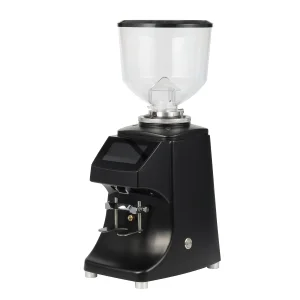
The geometry and hardness of flat or conical burrs directly impact the percentage of fines generated in each grind. High-speed 3-in-1 packaging mills and commercial espresso grinders require robust steel or ceramic burrs with precise parallel alignment tolerances to guarantee a balanced, predictable cup quality.
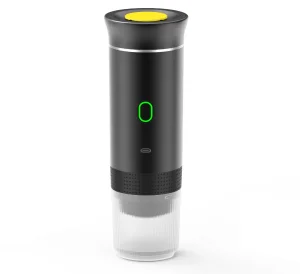
Jiangsu Sophia Electrical Appliance Co., Ltd. is an innovative household and commercial appliance manufacturer that integrates industrial design, automated production, global sales, and after-sales service. Since our inception, we have systematically designed and manufactured high-performance blade grinders, manual coffee mills, portable grinders, fully automatic grinding systems, and smart portable coffee machines.
By securing numerous technological design patents, Sophia remains a trusted OEM/ODM partner for international brands, hospitality groups, and bulk sourcing agencies seeking high manufacturing standards and reliable performance.


As corporate campuses and office co-working spaces move toward high-quality coffee solutions, suppliers have developed customizable smart office infusers. These machines often feature built-in grinders and customizable telemetry connections. These connected machines send real-time data back to central fleet management software, alerting operators when it is time to refill raw beans, descale boilers, or schedule general preventive maintenance. This predictive maintenance model reduces operational downtime by up to 40%.
For large-scale, private-label operations, securing consistent quality is only half the battle. Large supply orders require packaging systems that protect electronic control modules from humidity changes during sea transit. Partnering with suppliers that offer integrated vacuum packing and nitrogen flush solutions ensures that complex machinery arrives free of oxidation and calibration issues, ready to be deployed on retail shelves or in commercial kitchens.
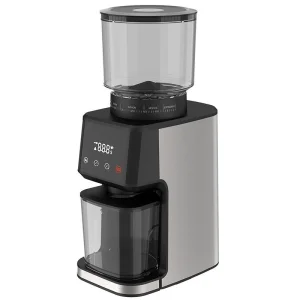
Flat burr diameter, such as Sophia's 83mm or 74mm flat steel configurations, plays a critical role in particle size distribution. Larger burrs grind coffee beans faster, reducing heat generation. By keeping bean temperature low, the system preserves natural flavor compounds and prevents premature degassing during the grinding process.
European buyers generally require CE, GS, and RoHS certification to verify safety and chemical standards. For North American markets, ETL or UL listing is essential for commercial insurance compliance. Reputable manufacturers like Sophia secure certifications early in the product development lifecycle to ensure smooth customs clearance.
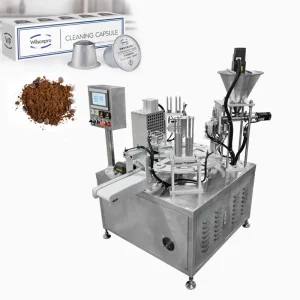
Coffee capsules, like K-Cups or Nespresso formats, suffer from rapid quality loss if exposed to ambient oxygen. A 3-in-1 automatic filling, sealing, and vacuum packaging machine flushes the capsules with nitrogen to reduce residual oxygen levels below 1%, protecting the coffee's shelf life for up to 18 months.
A pre-brewing or pre-infusion system pre-wets the espresso puck under low pressure (typically 1 to 3 bars) before applying full extraction pressure. This expands the coffee grinds evenly, reducing channeling issues and resulting in a richer, more uniform extraction with a thick, stable crema.
Standard OEM production batches require 30 to 45 days after design sign-off and safety checks. For complex custom tooling, structural changes, or custom PCB engineering, design validation phases can add an extra 60 days. Experienced production teams use structured planning timelines to avoid commercial supply chain delays.
 Sophia Electric Appliance