
In the global specialty coffee supply chain, coffee filter paper is not merely an accessory; it is a critical variable in the physical chemistry of brew extraction. The structure of a filter paper regulates the dynamic flow of hot water through ground coffee beds, establishing the exact parameters of Total Dissolved Solids (TDS) and extraction yields. As a leading manufacturer and exporter, we treat paper formulation with strict scientific rigor, focusing on fiber morphology, creping depth, and wet-strength integrity.
Industrial filtration is defined by capillary networks. The speed at which hot water migrates through the paper depends on its average pore diameter, usually engineered between 10 to 30 microns. By balancing short wood fibers with long abaca (Manila hemp) fibers, we create a porous matrix that retains bitter diterpenes (such as cafestol and kahweol) and insoluble micro-fines. This configuration allows aromatic oils and soluble solids to pass through, yielding a clean, bright, and sweet cup profile that consumers demand.
Precise calibration of cellulose micro-pores (10-30μm) allows for controlled oil retention and optimal extraction speed without clogging the brew bed.
Our cross-linked cellulose web structure prevents tearing or structural collapse under hot water pressure and industrial gravity loads.
Utilizing high-purity oxygen washing and chemical-free processing guarantees zero paper flavor transfer, protecting the origin characteristics of the coffee.
For high-volume roasters, commercial coffee chains, and office coffee service (OCS) distributors, securing a reliable, consistent paper source is essential for operational continuity. The global supply of coffee filter paper relies on specialized paper mills capable of maintaining consistent grammage (grams per square meter, or GSM) and thickness across production runs. Our manufacturing partnerships deploy state-of-the-art paper machines that maintain a tolerance threshold of less than ±2% in air permeability and thickness.
This stability is critical for commercial automated brewers, where a difference of seconds in contact time can alter flavor profiles across thousands of franchise locations. Our global distribution network supports private label packaging (OEM/ODM) for various shapes, including flat-bottom basket filters, V-cone styles, disk shapes for espresso and aerated brewers, and custom industrial rolls for automated food service machinery. By managing our raw material supply chains directly, we help our partners mitigate shipping delays, tariff changes, and raw pulp price fluctuations.
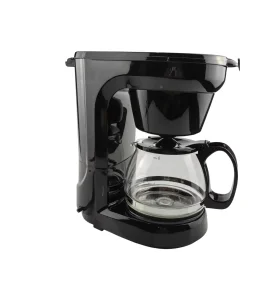
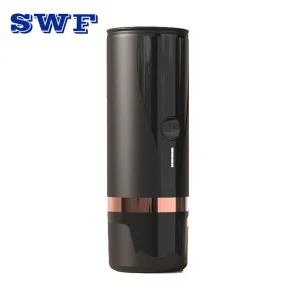
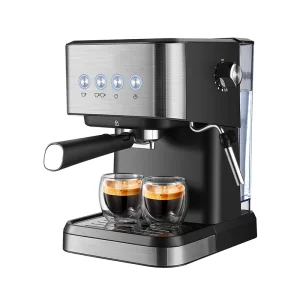
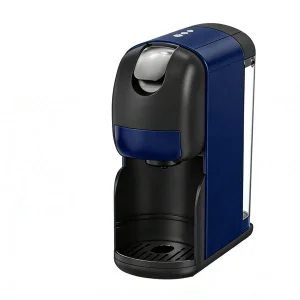
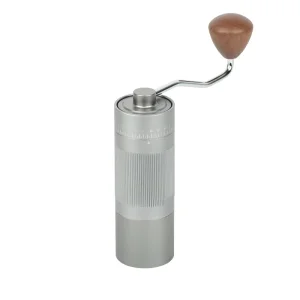
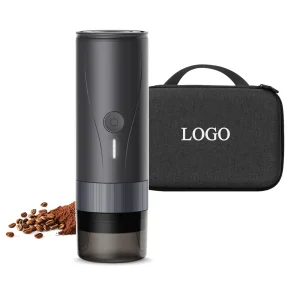
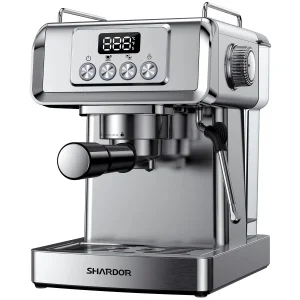
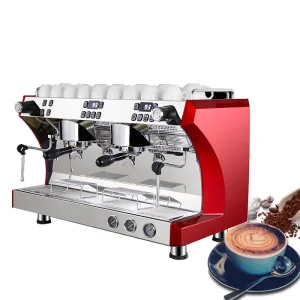
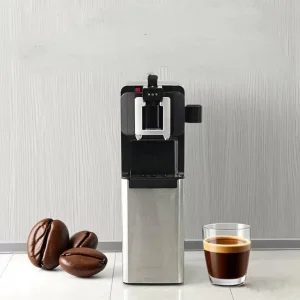
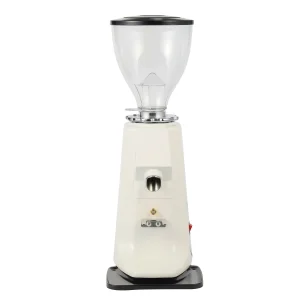
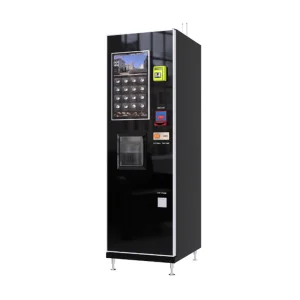
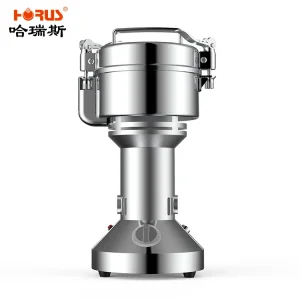
Jiangsu Sophia Electrical Appliance Co., Ltd. is an innovative household small appliance manufacturer. The company integrates design, production, sales and after-sales service. Since its establishment, the company has successively developed and produced blade-type multi-function grinders, manual grinders, portable grinders, fully automatic grinders, and portable coffee machines, and obtained relevant product patent certificates in one fell swoop.
By combining our deep hardware expertise in coffee makers and grinders with specialized filtration research, we deliver integrated extraction solutions. Our products are engineered to optimize the interplay between grind particle distribution and paper filtration resistance, unlocking the full sensory potential of every roast.
The coffee filtration landscape is shifting rapidly toward advanced environmental compliance and micro-filtration technologies. Over the next decade, we are focusing research on hybrid organic substrates and zero-footprint barrier technologies. Our research and development focuses on three primary pillars:
This technical roadmap allows us to serve markets with strict environmental regulations, such as Northern Europe and North America, ensuring our partners are prepared for incoming bio-waste separation mandates.
Because coffee filter papers contact food under high temperatures, they must meet strict regulatory compliance standards. Our export lines are fully certified across multiple jurisdictions, facilitating smooth custom clearance for global importers:
Additionally, we address localized water conditions. In regions with hard tap water (characterized by high calcium and magnesium ion concentrations), standard papers can experience slower drainage due to mineral interaction with coffee solids. We customize the porosity of our papers to optimize extraction rates, ensuring consistent brew times in different regions.
Unbleached coffee filter papers retain the natural brown color of wood pulp and require thorough rinsing with boiling water to remove wood-like paper flavors before brewing. Oxygen-bleached papers use active oxygen compounds (rather than chlorine) to whiten the fibers. This process removes lignin and other organic compounds, producing a clean filter paper that does not introduce off-flavors to the coffee brew.
Abaca fibers, sourced from Manila hemp, are longer and stronger than wood pulp fibers. This length creates a highly porous, light, and durable web structure. Filters containing abaca allow faster flow rates and resist tearing when wet, making them suitable for drip filters and commercial high-pressure applications.
GSM (Grams per Square Meter) measures the density of the paper. Higher GSM papers (e.g., 50-60 GSM) are thicker and feature tighter pore networks. This slows down the flow rate, increasing contact time between hot water and coffee grounds. This setup can increase Total Dissolved Solids (TDS) and extract more oils, resulting in a full-bodied cup. Lower GSM papers (e.g., 35-45 GSM) allow faster drawdowns, highlighting delicate acidity and fruit notes.
Yes. We offer OEM/ODM services for commercial distributors and retail brands. Our facilities manufacture custom shapes, including V60 style cones, Kalita-type basket shapes, flat-bottom commercial filters, and aerated disc filters. We also supply custom-printed box packaging and film wraps that comply with local barcode and recycling label requirements.
Absolutely. We supply filter paper rolls in various widths, inner core dimensions, and tensile strengths. These rolls are designed to run on high-speed industrial packaging machinery for single-serve coffee pods, drip coffee bags, and automatic coffee makers, ensuring minimal down-time and tearing.
 Sophia Electric Appliance


