Top 10 Tips for Choosing the Right Coffee Grinder?

Time:2026-08-24 Author:Oliver
0%

Choosing the right coffee grinder can be a complex task. Each coffee type demands specific grind sizes for optimal flavor extraction. As renowned coffee expert James Hoffmann puts it, "A good grinder is often the best investment you can make in your coffee journey." Understanding how to choose a grinder for different coffee types is crucial for any coffee lover.

The grinder you select can significantly impact the taste of your brew. Coarse grinds work well for French press, while medium grinds are ideal for drip coffee. For espresso, a fine grind is essential. However, not all grinders produce the same results. Some may struggle with consistency, leaving you with uneven grinds. This inconsistency can lead to a disappointing cup of coffee.

Exploring different grinder options can feel overwhelming. There are blade grinders, burr grinders, and more. Each type has its pros and cons. It’s important to reflect on what style suits your brewing method. Investing time in this decision will ultimately enhance your coffee experience.
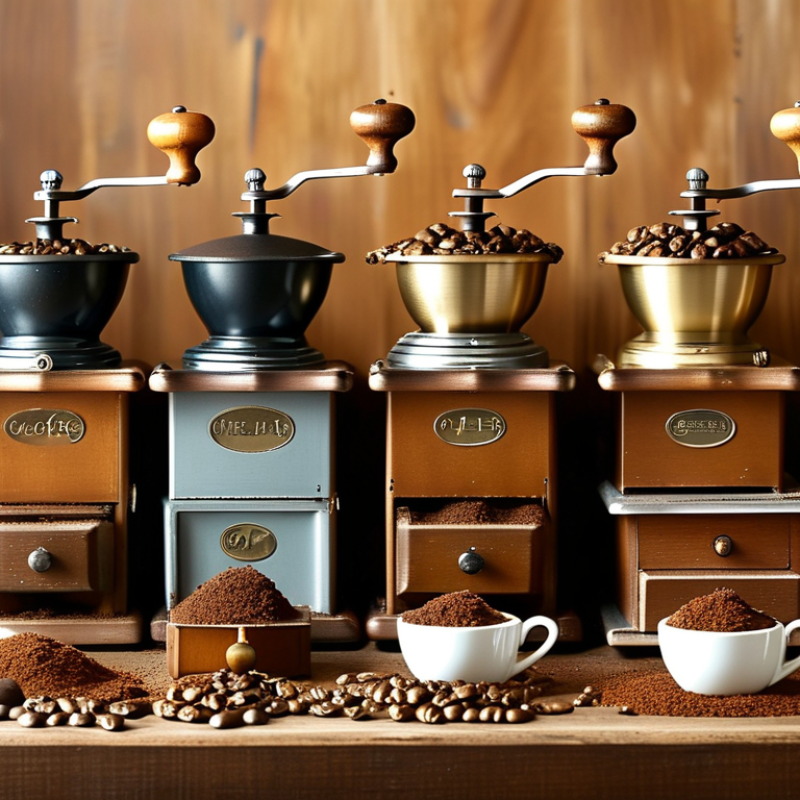
Top 10 Tips for Choosing the Right Coffee Grinder?

Understanding Different Types of Coffee Grinders

When it comes to choosing a coffee grinder, understanding the different types available is crucial. There are mainly two categories: blade grinders and burr grinders. Blade grinders are often more affordable and compact. They chop the beans using a blade, which can result in uneven grinds. This inconsistency can impact the flavor and aroma of your coffee, making it essential to consider your brewing method when choosing this type.

On the other hand, burr grinders offer a more sophisticated approach. They use two revolving abrasive surfaces, resulting in a uniform grind size. This consistency is vital for various brewing techniques, from espresso to French press. Users often notice a significant difference in taste and aroma when switching from a blade to a burr grinder. While burr grinders can be pricier, their quality is often worth the investment for dedicated coffee lovers.

It's important to reflect on your own coffee habits and preferences. A lower-quality grinder might be tempting due to its price, but the long-term impact on your coffee experience should not be underestimated. Evaluating how finely or coarsely you like your coffee can guide your choice. Remember, a good grinder is a critical piece in the quest for the perfect cup.

Top 10 Tips for Choosing the Right Coffee Grinder

Assessing Grind Consistency and Size Options

When assessing grind consistency, one must focus on how uniform the coffee particles are. A consistent grind ensures that extraction is even during brewing. Variations can lead to over-extraction or under-extraction. Even small discrepancies can drastically affect flavor. Aim for a grinder that delivers a uniform texture.

The size options are another critical aspect. Different brewing methods require different grind sizes. For instance, espresso needs a fine grind, while a French press calls for a coarse one. Some grinders offer adjustable settings. This flexibility allows you to experiment with various brewing methods. However, too many settings can be overwhelming. It's crucial to find a balance between versatility and ease of use.

Choosing the right coffee grinder should not be rushed. Consider the options available and assess your brewing preferences. Reflect on the flavors you enjoy most. Do you prefer rich and bold or lighter and floral notes? This introspection can guide you in selecting the best grinder for your needs. Remember, the perfect grind is a journey, not a destination.

Evaluating the Importance of Grinder Material

When it comes to selecting a coffee grinder, the material used in its construction plays a crucial role. Common grinder materials include stainless steel and ceramic. Each has its own advantages and drawbacks. Stainless steel is durable and often lighter. However, it can generate heat, which affects coffee flavor. Ceramic, on the other hand, is known for its ability to maintain a cooler temperature. Yet, it can be more fragile and susceptible to chipping.

Beyond just material durability, consider the grind consistency each option offers. Stainless steel grinders might not deliver the uniformity that serious coffee enthusiasts seek. Ceramic grinders, though they can produce a consistent grind, may require more effort to clean. Some users find that maintaining the perfect grind setting can be an uphill battle, leading to uneven results. This inconsistency can influence your brewing process and ultimately affect the taste of your coffee.

Your choice of grinder material influences not only the grinder’s lifespan but also your overall coffee experience. Reflecting on these aspects will guide you in making a more informed decision. Weigh the pros and cons carefully, considering how frequently you'll use the grinder and the care required for each material. Understanding these nuances can lead to a richer coffee experience, but it also involves balancing quality with practicality.

Top 10 Tips for Choosing the Right Coffee Grinder - Evaluating the Importance of Grinder Material

Grinder Type Material Grind Consistency Maintenance Price Range
Blade Grinder Plastic Inconsistent Low $15 - $30
Burr Grinder Stainless Steel Consistent Medium $50 - $150
Electric Burr Grinder Ceramic Very Consistent Medium $100 - $300
Manual Grinder Wood Varies High $30 - $80
Commercial Grinder Steel Excellent Very Low $500+

Considering Budget and Price Range for Coffee Grinders

When choosing the right coffee grinder, budget considerations become crucial. Coffee grinders vary widely in price, with options ranging from budget-friendly models to high-end machines. If you're new to brewing, a mid-range grinder often offers a balance of quality and affordability. However, spending too little might compromise the flavor of your coffee.

Quality is often reflected in the price. Higher-priced grinders commonly use better materials and technology. These grinders can produce a consistent grind, essential for brewing the perfect cup. Cheaper options may leave you with uneven grinds, impacting the extraction process. It's important to reflect on what you're willing to invest for that desirable taste.

Think carefully about your coffee habits. If you brew daily, spending more on a reliable grinder could be worthwhile. Conversely, if you only enjoy the occasional cup, a basic model might suffice. Investing too much in a grinder you seldom use can lead to regrets. Ultimately, consider your needs and brewing style, and choose a grinder that fits your lifestyle.

Researching Brand Reputation and Customer Reviews

When selecting a coffee grinder, understanding brand reputation is crucial. A recent industry report revealed that nearly 70% of customers consider brand trust a top factor in their purchase decisions. Established brands often have a track record of quality, performance, and customer service. Checking their history can inform your decision. Customer reviews can provide insights into durability and grind consistency.

Diving into customer feedback is essential. Around 80% of consumers read reviews before buying. Look for common themes in reviews. Do many users mention poor grinding consistency? Are there frequent complaints about the motor? Pay attention to the number of ratings as well. A product with numerous reviews is usually more reliable than one with only a few. Short, specific comments often reveal practical insights.

Not every popular brand excels in every feature. Some may offer fast grinding but lack in quiet operation. Others might be user-friendly but have limited settings. It’s beneficial to weigh these factors against what you personally prioritize. Reflecting on both positive and negative aspects can guide you toward the perfect choice.

FAQS

: What are the two main types of coffee grinders?

: The two types are blade grinders and burr grinders.

How do blade grinders process coffee beans?

Blade grinders chop beans with a blade, often resulting in uneven grinds.

Why is grind consistency important?

Consistent grind ensures even extraction during brewing, affecting flavor quality.

What grind size is needed for espresso?

Espresso requires a fine grind for optimal results.

What materials are commonly used in coffee grinders?

Common materials are stainless steel and ceramic, each with unique properties.

What is a drawback of stainless steel grinders?

Stainless steel can generate heat, which may impact coffee flavor negatively.

Why might ceramic grinders be harder to maintain?

Ceramic grinders may chip and require more effort to clean, causing possible inconsistencies.

How can understanding your coffee habits help with grinder choice?

Knowing your preferences helps select a grinder that meets your flavor and grind size needs.

Can too many grind settings be overwhelming?

Yes, too many options may confuse users rather than provide useful versatility.

What factors influence the lifespan of a coffee grinder?

The material and frequency of use can significantly affect the grinder's lifespan and performance.

Conclusion

When it comes to selecting the perfect coffee grinder, understanding the different types available is crucial. From blade grinders to burr grinders, each type offers distinct advantages depending on the brewing method used. Assessing grind consistency and size options is essential, as different coffee types require varying levels of grind fineness to achieve optimal flavor extraction.

Equally important is evaluating the grinder material, as it can affect durability and performance over time. Budget considerations also play a significant role, with a wide range of prices to suit different needs. Lastly, researching brand reputation and reading customer reviews can provide valuable insights into reliability and satisfaction. By taking these factors into account, one can effectively learn how to choose a grinder for different coffee types, ensuring a rich and flavorful coffee experience.

Oliver

Oliver

Oliver is a seasoned marketing professional with a wealth of expertise in driving brand awareness and engagement. With a deep understanding of our company's product offerings, he consistently delivers high-quality content that enriches our professional blog. His insights not only shed light on......