5 Reasons Why Pre Grinding Coffee is Not Recommended?

Time:2026-07-03 Author:Sienna
0%

Pre-grinding coffee might seem convenient, but many experts warn against it. It's essential to address the question, "Why is pre-grinding coffee not recommended?" A report from the Specialty Coffee Association highlights that coffee retains its freshness best in whole bean form. When coffee is ground, it increases the surface area exposed to air, leading to faster oxidation and flavor loss.

Research shows that ground coffee can lose up to 60% of its aromatic compounds within 15 minutes. This rapid deterioration significantly affects the overall taste and aroma. Additionally, pre-ground coffee can lead to inconsistent extraction during brewing. Different grind sizes can produce a bitter or sour cup, independent of the bean quality.

Many baristas and coffee enthusiasts agree that the grind size should match the brewing method. For example, a fine grind is essential for espresso but may ruin a French press. The nuances of flavor and aroma are best preserved when coffee is ground just before use. Overall, the case against pre-ground coffee emphasizes the importance of freshness and quality in each cup.
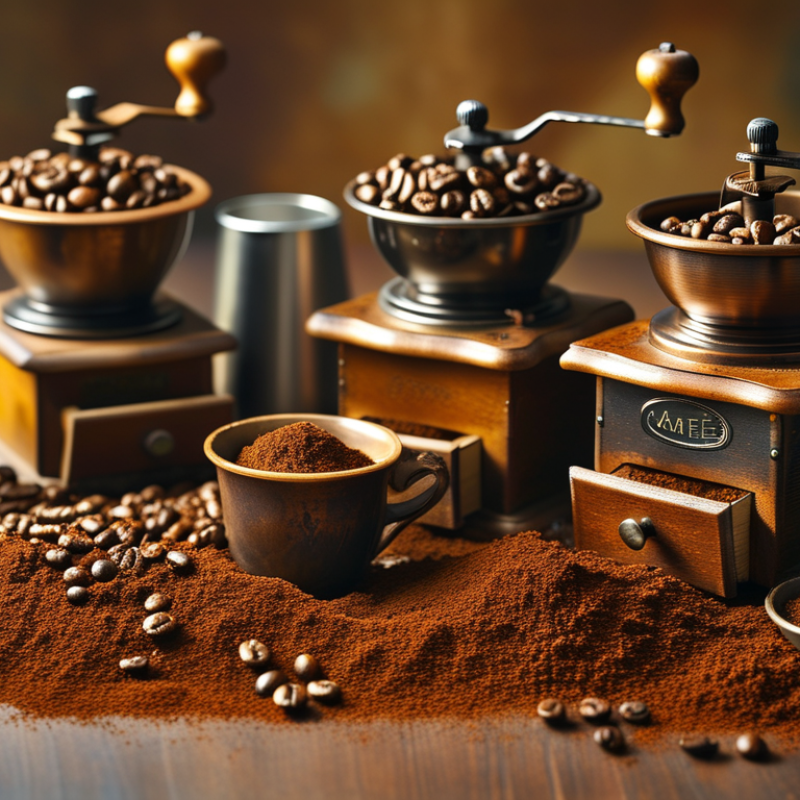
5 Reasons Why Pre Grinding Coffee is Not Recommended?

The Impact of Oxidation on Pre-Ground Coffee Freshness

When coffee beans are ground, they undergo oxidation. This process affects the flavor and freshness of the coffee. Oxidation occurs when coffee is exposed to air, light, and heat. Pre-ground coffee has a larger surface area exposed to these elements, leading to faster degradation.

The freshness of coffee is crucial for a great brew. Oxidation results in a loss of aromatic compounds. This makes the coffee taste stale or even flat. The rich, complex flavors that coffee lovers seek are diminished. By grinding coffee at home just before brewing, you can capture its vibrant taste and aroma.

Many people don’t realize how quickly pre-ground coffee loses its essence. After just a few days, noticeable changes occur. This is a challenge for coffee enthusiasts who value quality. Investing in a good grinder can make all the difference. It allows for better control over brewing and enhances the overall coffee experience. Embrace the ritual of grinding; your taste buds will thank you.

Flavor Degradation: How Pre-Grinding Affects Taste Profiles

Pre-grinding coffee reduces the freshness that is crucial for an excellent cup. When coffee beans are ground, they are exposed to air. This exposure leads to oxidation, which can degrade the flavor compounds present in coffee. Over time, these compounds break down, resulting in stale and lifeless coffee. Many people may not notice this degradation immediately, but subtle flavor notes can be lost.

To preserve your coffee's unique flavor profile, consider grinding only what you need. Use a quality grinder for the most consistent grind size. Coarse grinds are suitable for brewing methods like French press, while finer grinds work well with espresso. Experiment with grind sizes and brew methods to discover what best suits your palate.

Also, store your whole beans properly. Use an airtight container in a cool, dark place. Avoid the refrigerator, as moisture can affect the coffee's taste. Take your time to appreciate the freshness, as every cup brewed from whole beans can offer a new flavor experience. Small steps can lead to a significant difference in your daily coffee ritual.

Inconsistent Grind Size: The Problem with Pre-Ground Coffee

When it comes to coffee, grind size plays a crucial role. Many coffee lovers choose pre-ground options for convenience. However, inconsistencies in grind size can lead to disappointing results. The Specialty Coffee Association emphasizes that grind uniformity affects extraction, impacting flavor.

A recent study showed that coffee with a uniform grind size yields 20% more flavor compared to inconsistent grinds. This difference can be significant for enthusiasts.

Pre-ground coffee often contains particles ranging from fine to coarse. Such variations cause uneven extraction during brewing, resulting in both bitter and under-extracted notes in the cup.

Moreover, the freshness of pre-ground coffee diminishes rapidly. Within minutes, the flavor compounds begin to degrade. A 2021 report indicated that coffee loses 60% of its aroma after just 15 minutes of grinding. This information highlights the importance of grinding your beans just before brewing. Ultimately, the choice of grind size directly affects the coffee experience.

Loss of Aroma: The Role of Volatile Compounds in Fresh Coffee

The aroma of freshly brewed coffee is a key part of the experience. It captivates the senses and signals the quality of the brew. When coffee beans are ground, volatile compounds are released. These compounds contribute significantly to the coffee's unique scent and flavor. Pre-grinding coffee beans can lead to a rapid loss of these aromatic compounds.

Upon exposure to air, the delicate aromas dissipate quickly. A study showed that ground coffee loses nearly 60% of its aroma within the first hour. This means that pre-ground coffee lacks the vibrancy that freshly ground beans provide. Even a short period can diminish the overall sensory experience.

Making coffee is not just about the caffeine. It's about savoring the rich flavors and aromas that come from fresh grounds. Despite knowing this, some still opt for convenience. This is where the real question lies: Is easy access worth sacrificing quality? It's crucial to reflect on what you truly value in your coffee ritual.

Storage Issues: How Pre-Ground Coffee is Prone to Contamination

Pre-ground coffee is often a convenient option, but it presents serious storage issues. Once coffee is ground, its surface area increases significantly. This makes it more vulnerable to contamination from air, moisture, and light. Exposure to these elements can quickly compromise the flavor and aroma of the coffee. It's not just about taste; it also affects the freshness.

Many people store pre-ground coffee in cabinets or pantries. However, these environments are often not ideal. Humidity can seep in, affecting the ground coffee’s quality. Even a small amount of moisture can lead to mold growth. Light exposure can also degrade the essential oils that contribute to the coffee's flavor. So, a simple mistake in storage can ruin a bag of pre-ground coffee.

In addition, pre-ground coffee loses its optimal flavors quickly. The longer it sits, the more susceptible it becomes to oxidation. Some may argue that they do not notice the difference, but seasoned coffee drinkers understand the subtleties. To truly appreciate coffee, grinding fresh beans is essential. It ensures a richer and more aromatic experience, ultimately making the effort worthwhile. Reflecting on these points can change how we view coffee preparation.

FAQS

: What happens to coffee when it is ground?

: Grinding coffee exposes it to air, light, and heat, causing oxidation that impacts flavor.

How does oxidation affect the taste of coffee?

It leads to a loss of aromatic compounds, making coffee taste stale or flat.

Why is fresh coffee important for brewing?

Freshness ensures the rich, complex flavors are preserved for an enjoyable experience.

How quickly does pre-ground coffee lose its freshness?

Noticeable changes can occur within just a few days after grinding.

What is a significant drawback of using pre-ground coffee?

Pre-ground coffee often has inconsistent grind sizes, affecting flavor extraction and quality.

How does grind size influence coffee flavor?

Uniform grind size can yield 20% more flavor compared to inconsistent sizes, impacting the overall experience.

What storage issues affect pre-ground coffee?

Pre-ground coffee is vulnerable to air, moisture, and light, leading to rapid loss of quality.

How can moisture affect pre-ground coffee?

Even small amounts of moisture can cause mold growth, compromising flavor and freshness.

What happens if pre-ground coffee is poorly stored?

Poor storage can ruin its freshness and flavor, making the coffee less enjoyable.

Why is grinding coffee beans fresh recommended?

Freshly ground beans ensure a richer and more aromatic experience, enhancing the coffee ritual.

Conclusion

Pre-grinding coffee is not recommended for several compelling reasons. First, the process significantly increases oxidation, leading to a loss of freshness. As coffee beans are ground, they expose a larger surface area to air, which causes volatile compounds to dissipate, resulting in flavor degradation. The inconsistency in grind size is another issue; pre-ground coffee often lacks uniformity, which can negatively impact brewing and ultimately alter the taste profile.

Additionally, pre-ground coffee is more susceptible to contamination during storage, as it is typically packaged in a way that does not adequately protect against moisture and other external factors. The loss of aroma is also crucial; fresh coffee’s unique flavors rely on volatile compounds that diminish once the beans are ground. In summary, the question "Why is pre-grinding coffee not recommended" highlights the detrimental effects on freshness, flavor, consistency, aroma, and storage issues associated with pre-ground coffee.

Sienna

Sienna

Sienna is a skilled marketing professional with a deep expertise in our company’s core products and services. With a passion for innovation and detail, she plays a pivotal role in crafting insightful blog posts that not only highlight the unique features of our offerings but also provide valuable......