Why Proper Storage Is Key to Keeping Coffee Beans Fresh?

Time:2026-05-31 Author:Henry
0%

Coffee is not just a drink; it's a ritual for many. Freshness plays a vital role in the quality of coffee. According to a recent industry report, nearly 60% of coffee drinkers believe that stale coffee ruins their morning experience. This finding highlights the need for proper storage methods.

Understanding how to store coffee beans to keep them fresh is essential for maintaining flavor. Coffee beans lose their peak flavor within weeks if not stored correctly. Studies show that proper storage can extend freshness by up to 50%. Factors like light, moisture, and temperature significantly impact the longevity of coffee beans.

However, achieving ideal storage often requires thoughtful choices. Many coffee enthusiasts overlook simple practices. For instance, using airtight containers and storing beans in a cool, dark place can have significant effects. Yet, misconceptions about storage lead to common mistakes. It’s time to rethink our approach to coffee storage to truly savor every cup.
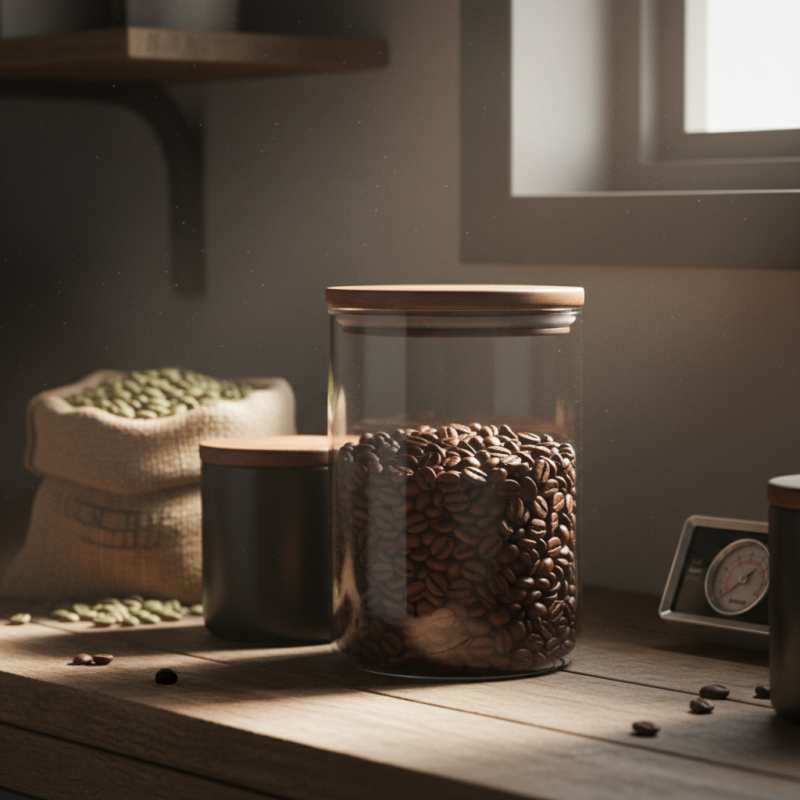
Why Proper Storage Is Key to Keeping Coffee Beans Fresh?

Understanding the Aging Process of Coffee Beans

Proper storage is crucial for maintaining the freshness of coffee beans. Understanding the aging process of these beans can provide insights into their optimal preservation. Coffee beans are perishable. Once roasted, they begin to age and lose their flavor compounds rapidly. According to the Specialty Coffee Association, beans can start losing their aromatic profiles within two weeks of roasting.

Storing coffee beans in airtight containers is essential. Exposure to air accelerates oxidation, which diminishes their quality. Temperature and humidity also play significant roles. Ideal storage conditions suggest a cool, dark place with low humidity. The National Coffee Association indicates that high humidity can cause beans to clump and develop undesirable flavors.

Even with proper storage, beans have a natural lifespan. Typically, ground coffee retains peak flavor for only a week. Whole beans can last longer, but not indefinitely. They too will eventually lose aromatic oils that contribute to flavor. Regularly assessing the freshness of your beans is necessary. Many enthusiasts overlook this, leading to subpar brewing experiences. Understanding these nuances of the aging process can help coffee lovers maintain richer flavors in every cup.

Impact of Storage Conditions on Coffee Bean Freshness

This chart illustrates the impact of different storage methods on the freshness of coffee beans. As demonstrated, using an airtight container maintains the highest freshness score, while exposure to air significantly reduces it.

Impact of Light, Air, and Moisture on Coffee Freshness

Proper storage is crucial for maintaining the freshness of coffee beans. Light, air, and moisture can significantly impact their quality. Exposure to light can lead to the degradation of the essential oils found in coffee. These oils give coffee its rich flavor and aroma. When beans are stored in transparent containers, they become vulnerable to light damage. It’s better to use opaque or dark containers to shield them.

Air is another enemy of coffee freshness. Oxygen can cause the beans to oxidize, which diminishes their flavor over time. When opening a bag of coffee, try to minimize air exposure. Use resealable bags or vacuum-sealed containers to keep air at bay. Some may argue that using jars adds a rustic charm, but they often allow more air in as jars can be opened repeatedly.

Moisture also plays a significant role in coffee storage. Beans can easily absorb humidity, leading to mold formation. This does not just ruin the beans; it can also impact their flavor. Keep beans stored in a cool, dry place. Avoid storing them in the fridge, as condensation can form when they are taken out. Investing time in proper storage methods can lead to a more enjoyable coffee experience. Think about the details; the right environment makes a noticeable difference.

Best Practices for Storing Coffee Beans at Home

Storing coffee beans properly is essential for preserving their freshness and flavor. When exposed to air, light, heat, and moisture, coffee beans can quickly lose their rich qualities. By following some best practices, you can enjoy a better cup of coffee every time.

One effective tip is to keep your coffee beans in an airtight container. Glass or ceramic containers work well, but avoid clear options. Light can degrade the coffee’s flavor. Instead, choose opaque containers that block out light. Store these containers in a cool, dark place, away from the stove and other heat sources.

Another good practice is to buy coffee beans in smaller quantities. This approach ensures that you consume them before they go stale. Try to use your coffee beans within two weeks of opening. If you notice a loss of aroma or flavor, you might need to rethink your storage methods. Also, avoid refrigerating your beans; this can create moisture and alter the taste.

Lastly, always grind your beans just before brewing. Freshly ground coffee makes a significant difference in taste. Taking these steps can help you enjoy the full potential of your coffee while minimizing waste and disappointment.

Why Proper Storage Is Key to Keeping Coffee Beans Fresh? - Best Practices for Storing Coffee Beans at Home

Storage Method Description Ideal Environment Shelf Life
Airtight Container Keeps out moisture and air, preventing oxidation. Cool, dark place away from heat sources. 2-4 weeks after opening.
Glass Jar Allows visibility of bean quality but must be airtight. Dark cupboard or pantry. 1-3 weeks after opening.
Vacuum Sealed Bags Removes air for extended freshness. Cool, dry location. 6 months or more if unopened.
Freezer Storage Long-term storage option, best in sealed packages. Freezer. Up to 1 year if properly sealed.
Refrigerator Not recommended due to moisture and odors. N/A Not recommended; can spoil quickly.

How to Choose the Right Storage Container for Coffee

Choosing the right storage container for coffee can significantly impact the freshness of your beans. Ideally, coffee should be stored in opaque, airtight containers. Light, air, and moisture can all degrade the quality of your coffee. If you keep your beans in a clear glass jar, you may be mindlessly exposing them to light and air.

A good container should also have a one-way valve. This valve allows gases produced during roasting to escape without letting air in. Simple glass jars without ventilation might seem appealing, but they can ruin your coffee over time. Consider using containers made from stainless steel or ceramic, as these materials block light effectively.

Reflecting on common habits, many people underestimate the importance of proper storage. They may think that a simple kitchen drawer suffices. However, even slight changes in temperature can affect flavor. Ideally, keep your coffee stored in a cool, dark place, away from heat sources. This awareness of your environment can elevate your daily coffee experience.

Signs That Your Coffee Beans Have Gone Stale

Coffee lovers know that freshness is essential. However, identifying stale beans can be tricky. Look for dull beans that lack luster. Fresh coffee usually has a shiny surface due to oils. If your beans smell flat or musty, they are likely past their prime.

Taste is another indicator. Stale coffee tastes bitter and lacks depth. A cup that once delighted now feels lackluster. If your brew loses its complexity, it may be time to assess your storage methods.

Tips: To keep beans fresh, store them in an airtight container. Avoid storing them near heat sources or in direct sunlight. Dark, cool environments work best. Consider buying smaller quantities to ensure your beans stay fresh longer. Always check the roast date to choose the freshest beans possible.

FAQS

: Why is proper storage important for coffee beans?

: Proper storage maintains freshness and prevents rapid flavor loss due to aging.

How quickly do coffee beans start losing flavor after roasting?

Beans can begin losing their aromatic profiles within two weeks of roasting.

What type of container is best for storing coffee beans?

Airtight containers are essential to prevent air exposure and oxidation.

What environment is ideal for storing coffee beans?

A cool, dark place with low humidity is optimal for preserving their quality.

What happens if coffee beans are exposed to light?

Light degrades essential oils in coffee, diminishing flavor and aroma.

How does air impact the freshness of coffee beans?

Oxygen exposure can cause oxidation, leading to flavor loss over time.

Can moisture affect coffee storage?

Yes, humidity can lead to clumping or mold, ruining the beans and impacting flavor.

What are signs that coffee beans have gone stale?

Look for dull beans, a flat smell, bitter taste, or lack of complexity in your brew.

Should I store coffee beans in the fridge?

No, storing beans in the fridge can cause condensation, which is harmful.

How can I ensure I have fresh coffee?

Buy smaller quantities, check roast dates, and store beans properly.

Conclusion

Proper storage is essential for maintaining the freshness of coffee beans, as they undergo an aging process that affects their flavor and aroma. Factors such as light, air, and moisture can significantly impact coffee freshness, leading to stale and unpalatable beans. To ensure the best quality, it's crucial to adopt best practices for storing coffee beans at home. This includes keeping them in a cool, dark place and using appropriate storage containers that minimize exposure to these harmful elements.

When asking how to store coffee beans to keep them fresh, one should look for airtight containers made from opaque materials to protect against light and air. Additionally, recognizing signs that your coffee beans have gone stale, such as a loss of aroma or flavor, is vital for enjoying a perfect brew. By understanding these principles, coffee enthusiasts can significantly extend the shelf life and quality of their beans.

Henry

Henry

Henry is a dedicated marketing professional with a profound expertise in the company's offerings. With years of experience in the industry, he possesses an impressive understanding of the market dynamics and consumer behaviors that drive success. Henry is committed to sharing his insights through......