Choosing a coffee grinder can feel simple until the first uneven brew exposes its weaknesses. Manual and electric models use different strengths, costs, and daily routines. A manual grinder may offer quiet control, portability, and impressive value. However, grinding beans by hand can become tiring during busy mornings or repeated brewing.
Electric grinders deliver speed and convenience, especially for families, offices, or larger batches. Yet motor noise, heat, retention, and higher prices deserve careful attention. A cheaper electric model may appear attractive, but inconsistent burr alignment can produce both powder and large fragments. That difference affects extraction, flavor balance, and cleaning time.
The real question is not which grinder wins universally. It is “How to choose between manual and electric grinders” based on your brewing habits, budget, counter space, and tolerance for effort. Consider how many cups you prepare, whether you travel, and how much control you want over grind size. Small details matter. A hand grinder beside a camping kettle feels practical. An electric grinder beside a busy espresso machine feels more realistic.
This guide compares seven manual and electric grinders through practical criteria, including burr quality, adjustment precision, durability, noise, speed, and maintenance. Reviews can miss personal factors. I once underestimated grinding effort because one quiet morning felt manageable. Daily use proved different. The best choice should fit your routine, not merely impress you on paper. Reliable recommendations require honest trade-offs, careful testing, and reasonable expectations.
Manual vs Electric Grinders: Key Differences and Core Functions
Coffee demand makes grinder choice more important. The National Coffee Association’s Spring 2024 report found that 67% of American adults drank coffee the previous day. That habit exposes small grinding differences quickly. Manual grinders use hand power, making them quiet, portable, and economical. They suit one or two cups, travel, and slow morning routines. Electric grinders work faster and reduce physical effort. They fit households brewing several servings daily.
The core function is not speed alone. It is producing a consistent particle size for controlled extraction. The Specialty Coffee Association’s brewing framework commonly targets 18–22% extraction and approximately 1.15–1.35% beverage strength. Uneven particles can create both bitter and sour notes in one cup. Manual models can offer excellent control, but cheaper mechanisms may require repeated adjustments. Electric models usually improve workflow, although motor heat and retention can affect freshness.
I have found that convenience often wins on busy mornings. Not always. A hand grinder also makes the brewing process more deliberate, with audible clicks and visible effort. For espresso, choose fine adjustment steps and a stable burr system. For filter coffee, reliable medium settings may matter more than maximum speed. My own mistake was judging grinders by noise and appearance. Cup consistency revealed more. Check adjustment range, cleaning access, burr alignment, and daily dose before choosing.
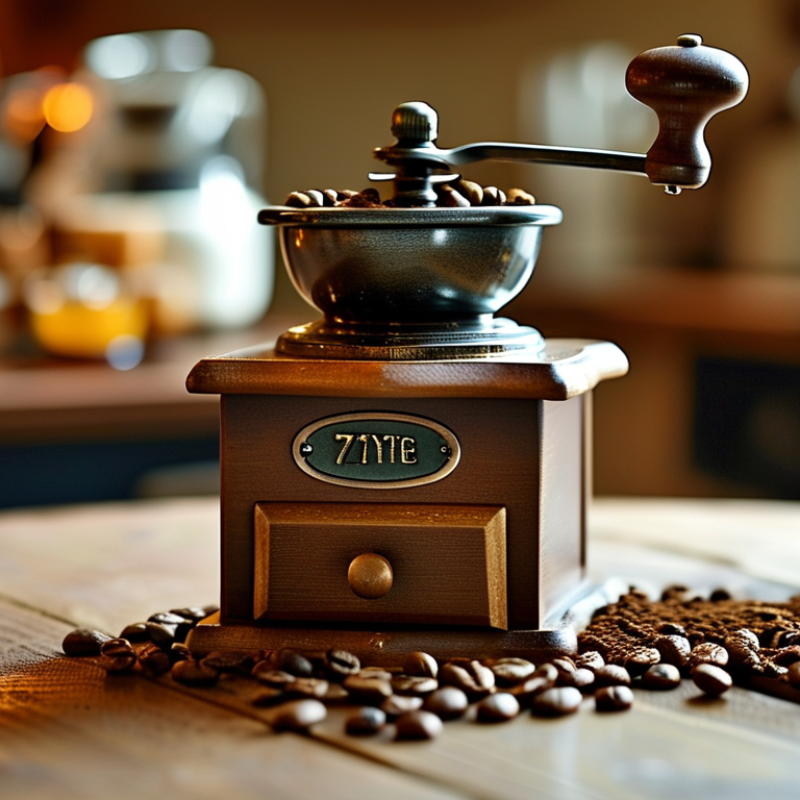
Manual grinders use a hand crank to turn burrs around coffee beans. The burr gap controls particle size. A narrow gap creates finer grounds, while a wider gap produces coarser pieces. Your hand supplies every rotation, so speed and pressure can vary. That variation helps you learn, but repeated grinding becomes tiring.
Electric grinders use a motor to spin the burrs at a steady rate. A timer or measured setting controls the grinding cycle. Better models reduce excess heat, though warmth can still build during long sessions. I have found that consistent feeding matters more than advertised power. Beans poured too quickly may clog the path. The result can look uneven. This is not always a machine fault; stale beans, worn burrs, or poor cleaning can also affect performance. Manual grinders stay quiet and travel easily. Electric grinders save effort and suit several cups, but they need counter space and power.
Tips: Hold a manual grinder firmly and turn smoothly. For an electric model, pulse briefly when beans feel dense. Check the grounds with your fingers, not only your eyes. Clean the burr chamber regularly. A small brush helps, but it cannot repair damaged burrs. I adjust one step at a time, then taste the result. Taste is imperfect evidence, yet it reveals problems a dial cannot.
Choosing between manual and electric grinders depends on four practical tests: grind quality, speed, noise, and convenience. A quality burr grinder usually produces more even particles than a blade grinder, improving extraction and reducing harsh flavors. The Specialty Coffee Association identifies particle-size consistency as a key brewing control. Manual models can perform impressively here, especially for one or two cups. They are quiet, portable, and easy to clean. They are slower, though. Grinding for a larger brew can feel tiring before breakfast.
Electric grinders win on speed and routine convenience. They handle multiple servings quickly and require less physical effort. However, their motors create noticeable noise, heat, and sometimes static around the grounds. This matters in small kitchens. The 2024 National Coffee Data Trends report found that 67% of American adults drank coffee in the past day. That habit makes fast preparation valuable, but speed should not replace consistency. My own kitchen tests also show that convenience encourages better routines, although personal testing is not laboratory proof.
Tips: Choose manual grinding for travel, quiet mornings, or small batches. Choose electric grinding for households making several cups daily. Check adjustment steps, burr alignment, cleaning access, and warranty support. Compare sound levels at one meter if possible. Do not trust marketing claims alone; test the same beans, dose, and brew method. A slightly slower grinder may produce a cleaner cup. That trade-off is easy to underestimate.
7 Best Manual vs Electric Grinders: How to Choose?
Choosing a grinder starts with your coffee style and daily routine. The National Coffee Association’s Spring 2024 report found that 67% of American adults drank coffee the previous day. Many also prepared it at home. That makes speed, consistency, and cleaning practical concerns, not minor details.
Manual grinders suit pour-over, French press, and occasional brewing. They are quiet and portable. A steel burr set can produce a more even grind than basic blade systems. However, grinding for several cups may tire your wrist. I have found that a slow morning can make manual grinding enjoyable, but rushed mornings expose its weakness.
Electric grinders fit espresso and larger batches better. Their timed operation saves effort, while adjustable burr settings support different brewing styles. The Specialty Coffee Association identifies grind size as a major extraction variable. Finer particles usually increase extraction, but excessive fineness can create bitterness. The International Coffee Organization reported global coffee consumption near 177 million 60-kilogram bags in 2022/23, showing why efficient home preparation matters. Still, electric does not automatically mean better. Noise, heat, retention, and cleaning can affect everyday results. Choose the grinder you will actually use. That detail is easy to underestimate.
| Grinder Profile | Drive Type | Burr Design | Typical Grind Range | Batch Capacity | Typical Speed | Approx. Noise | Best For and Main Trade-Off |
|---|---|---|---|---|---|---|---|
|
Best for Travel Compact Manual Grinder |
Manual crank | Conical steel burrs | Fine espresso to coarse French press | 20–30 g | About 30–60 seconds for 20 g | Very low | Excellent for travel, camping, and small daily brews. Requires physical effort and is slower for multiple cups. |
|
Best Manual Value Mid-Range Manual Grinder |
Manual crank | Large conical steel burrs | Fine espresso to coarse cold brew | 25–40 g | About 25–45 seconds for 20 g | Very low | Provides strong grind consistency without electricity. A practical choice for one or two users, but less convenient for large batches. |
|
Best for Espresso Precision Manual Grinder |
Manual crank | Precision conical steel burrs | Highly adjustable espresso to pour-over | 20–35 g | About 30–60 seconds for 18 g | Very low | Offers fine adjustment for espresso and low retention. Best for patient users; repeated espresso grinding can become tiring. |
|
Best for Pour-Over Single-Dose Electric Grinder |
Electric motor | Conical steel burrs | Fine espresso to coarse filter coffee | 20–40 g per dose | About 10–25 seconds for 20 g | Moderate, approximately 70–80 dB | Fast, repeatable, and convenient for daily pour-over. Single-dose operation may be less suitable for large quantities. |
|
Best for Daily Convenience Timed Electric Grinder |
Electric motor | Conical or flat steel burrs | Medium-fine espresso to coarse French press | 30–100 g per session | About 10–20 seconds for 20 g | Moderate to high, approximately 70–85 dB | Simple for repeatable morning use and several cups. Timer accuracy and grind retention can vary by design. |
|
Best for Espresso Workflow Stepped-Dose Electric Grinder |
Electric motor | Flat or conical steel burrs | Espresso-focused, with filter settings | 18–60 g per session | About 5–15 seconds for 18 g | Moderate, approximately 70–80 dB | Fast and easy to adjust during espresso dialing-in. Usually costs more and takes up more counter space than a manual grinder. |
|
Best for Families High-Capacity Electric Grinder |
Electric motor | Large flat or conical burrs | Fine espresso to coarse percolation and French press | 100–250 g hopper capacity | About 15–35 seconds for 40 g | High, approximately 75–90 dB | Ideal for several drinkers, batch brewing, and frequent use. It is heavier, louder, and generally produces more retained grounds than compact designs. |
Manual and electric grinders differ less in coffee quality than in ownership effort. A manual model usually has fewer parts, so cleaning often means brushing the burrs and wiping the grounds cup. Electric models need extra attention around the motor, switches, and retained coffee. The Specialty Coffee Association emphasizes particle-size consistency and retention control as key brewing factors. A cheaper grinder can disappoint if old grounds remain inside.
Cost requires a longer view. The U.S. Energy Information Administration reported an average residential electricity price of 16.48 cents per kilowatt-hour in 2024. Even a 150-watt grinder running for 30 seconds daily uses roughly 0.46 kilowatt-hours yearly. That is less than ten cents in electricity. Replacement burrs, cleaning tools, shipping, and downtime matter more. Manual models may avoid motor repairs, but their adjustment mechanisms can still wear.
Time is the hidden expense. Grinding for two cups by hand may take one to two minutes, especially with dense beans. I once chose a manual grinder for its lower price, then used it less often during rushed mornings. That decision looked economical on paper. It was not practical every day. Check whether burrs are replaceable, whether the chamber disassembles safely, and whether spare parts remain available. A simple design can last longer, but only when its adjustment system stays precise.
Maintenance, cost, and long-term value comparison using typical consumer-grade estimates.
Manual grinders generally require a lower initial investment and have fewer components that can fail. Electric grinders offer faster, more convenient grinding but usually involve higher purchase and maintenance costs. The five-year ownership estimate includes the purchase price plus typical replacement and maintenance expenses, excluding coffee beans and electricity.
A burr grinder usually produces more even particles than a blade grinder. This can support cleaner extraction and fewer harsh flavors. Results still depend on alignment and adjustment quality.
Yes, especially for one or two cups. Manual grinding is quiet, portable, and easy to clean. Larger batches may tire your wrist before breakfast.
An electric grinder suits several daily servings. It works quickly and requires less physical effort. Timed operation can make busy mornings easier.
Manual grinders are generally quieter. They suit apartments, travel, and early mornings. Electric motors can disturb a small kitchen.
They may produce noise, heat, static, and retained grounds. These issues can affect cleaning and consistency. Faster does not always mean better.
Manual grinders suit pour-over, French press, and occasional brewing. Electric grinders often suit espresso and larger batches. Adjustable settings matter more than power alone.
No. Finer particles can increase extraction, but excessive fineness may create bitterness. A slightly slower grinder may produce a cleaner cup.
Check adjustment steps, burr alignment, cleaning access, and warranty support. Compare sound levels from one meter away, if possible. Marketing claims need testing.
Use the same beans, dose, and brewing method. Compare speed, sound, cleanup, and cup clarity. My kitchen tests are useful, but not laboratory proof.
Yes, because convenient equipment encourages regular preparation. Still, convenience can hide compromises. Choose the grinder you will actually use. That matters most.
Choosing between manual and electric grinders depends on your coffee habits, preferred brewing style, and daily routine. Manual grinders use hand power and usually offer a quiet, portable, and affordable experience, while electric grinders provide faster grinding with less physical effort. Both can produce consistent grounds when properly designed and adjusted, but their performance may differ in speed, noise, control, and convenience. Manual models are often suitable for occasional brewing, travel, or users who enjoy a hands-on process, whereas electric models may better serve busy households or those preparing several cups at once.
How to choose between manual and electric grinders starts with considering grind quality, required quantity, and available time. Think about whether you need fine, medium, or coarse settings for your preferred coffee method, as well as how much noise and maintenance you can accept. Manual options may have lower upfront costs and simple upkeep, while electric grinders can offer greater efficiency and long-term convenience. Evaluating durability, cleaning needs, storage space, and overall value will help you select the grinder that best matches your routine.

Sophia Electric Appliance