What Factors Impact the Flavor of Your Brewed Coffee?

Time:2026-08-19 Author:Oliver
0%

The flavor of brewed coffee is influenced by various factors. Understanding these elements enhances the coffee experience. Have you ever wondered, "What factors affect the taste of brewed coffee?"

From the bean type to the grind size, every detail matters. The region where beans are grown contributes distinct flavors. The freshness of the beans impacts the overall taste significantly. Old beans might lack vibrancy, leading to a dull brew. Water quality also plays a crucial role. Hard water can mask the rich flavors.

Brewing temperature and time are vital yet often overlooked. Too hot or too cold can ruin your cup. Each variable creates a unique experience, but perfection is subjective. It invites reflection on your personal taste preferences. Exploring these aspects can lead to great coffee moments, but there is always more to learn.
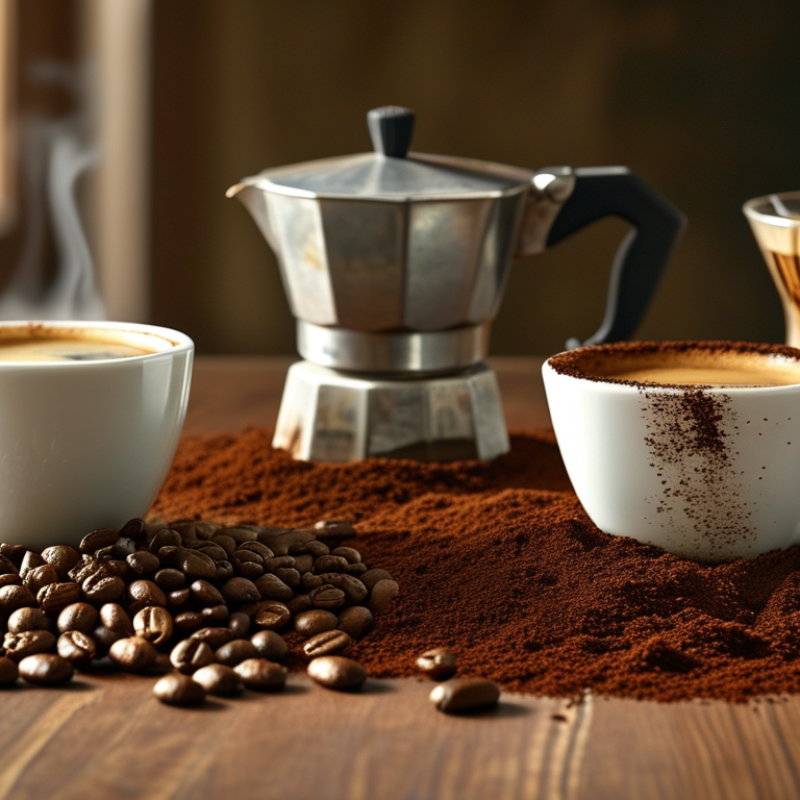
What Factors Impact the Flavor of Your Brewed Coffee?

Types of Coffee Beans and Their Flavor Profiles

When it comes to brewed coffee, the choice of bean is paramount. Arabica and Robusta are two popular types, each with distinct flavor profiles. Arabica beans are known for their sweet, fruity notes and aromatic qualities. They are often preferred for their smooth finish. Meanwhile, Robusta beans offer a bolder, earthy flavor with a hint of bitterness, making them popular in espresso blends.

The growing region also plays a crucial role in flavor. Beans from Ethiopia often have floral and citrusy notes. In contrast, beans from Brazil might showcase a chocolatey and nutty flavor. Environmental factors, such as soil quality and climate, can significantly influence the taste. The roasting process is another key element. Light roasts tend to retain more of the bean's original flavor, while dark roasts may introduce smoky, rich undertones.

Coffee brewing methods impact flavor as well. For instance, using a French press can enhance the full-bodied experience. On the other hand, a drip coffee maker may yield a cleaner taste. It's essential to experiment with different beans and methods. This exploration not only enhances your coffee experience but also invites reflection on what flavors resonate most with you. Everyone has unique tastes, and finding your perfect cup may take time.

The Influence of Brewing Methods on Coffee Taste

Brewing methods significantly influence the flavor profile of coffee. Different techniques, from espresso to pour-over, bring out distinct taste notes. According to research by the Specialty Coffee Association, extraction methods can yield coffees with varied acidity, sweetness, and body. An improperly calibrated method might obscure a coffee’s natural flavors or exaggerate undesirable ones.

For instance, immersion brewing typically enhances body and richness. A French press often results in a heavier mouthfeel. Conversely, pour-over methods can accentuate brightness and clarity. Even slight variations in water temperature can alter these outcomes. A study by the American Chemical Society indicated that optimal extraction occurs around 195-205°F. Deviating from this range can lead to over-extraction or under-extraction.

Moreover, grind size is vital in determining flavor. A finer grind often leads to a quicker extraction, enhancing bitterness. A coarser grind may mellow flavors but require patience for proper extraction. Many home brewers might overlook grind consistency, which plays a crucial role. Small adjustments can transform an average cup into an exceptional one, emphasizing the importance of experimentation in the brewing process.

Water Quality and Its Effect on Brewed Coffee Flavor

Water quality plays a critical role in the flavor profile of brewed coffee. A recent study by the Specialty Coffee Association highlights that water constitutes 98% of your final cup. Thus, its composition can make or break the taste. The presence of minerals, like calcium and magnesium, enhances extraction. These elements help create a balanced brew. Conversely, water with high chlorine levels can impart an unpleasant flavor.

Not all water sources produce the same results. For instance, soft water may yield a flat taste, lacking depth. This is due to insufficient minerals needed for optimal extraction. According to a report from the National Coffee Association, coffee brewed with hard water can have a more pronounced aroma and flavor complexity. However, too much hardness can lead to over-extraction, creating bitterness.

The temperature of the brewing water also interacts with its quality. Ideal brewing temperatures range between 195°F to 205°F. Water that is too hot can extract unwanted compounds, leading to a sour or burnt taste. Regular testing of your water can help identify these variables. The goal should be a consistent source that enhances your coffee experience. Most importantly, water quality is often overlooked yet deserves attention for a truly enjoyable cup.

Importance of Grind Size in Coffee Brewing

When brewing coffee, grind size plays a crucial role in flavor extraction. The Specialty Coffee Association states that grind size affects extraction rates. A finer grind increases surface area, enhancing flavor release. However, overly fine grinds can lead to over-extraction, creating bitterness. Finding the right balance is key.

Research indicates that a brew time of around 4–5 minutes yields optimal results for medium grind sizes. However, changing the grind can shift this. For instance, a coarse grind requires longer brewing times to achieve flavor fullness. This reflects the importance of adjusting both grind and brew time to maximize flavor.

Many coffee enthusiasts experiment with grind sizes. Observations show that granule size impacts water flow and saturation. A uniform grind is essential. Unevenly ground coffee results in an unbalanced cup. Inconsistent sizes create some under-extracted and some over-extracted portions. This variability leads to a less enjoyable experience. Each brewing method has its preferred grind size too. Understanding these nuances can greatly enhance your coffee journey.

Roasting Level and Its Impact on Flavor Complexity

The roasting level of coffee beans plays a crucial role in determining the flavor complexity of brewed coffee. Lightly roasted beans tend to preserve unique origin flavors and acidity, often leading to more floral and fruity notes. According to the Specialty Coffee Association, light roasts can contain up to 60% more phenolic compounds, which contribute to their distinct taste. However, these flavors can sometimes be perceived as overly bright or sour, requiring careful calibration in brewing methods.

On the opposite end of the spectrum, darker roasts often introduce a smoky flavor profile with chocolate and caramel notes. While these roasts can offer a comforting richness, they sometimes sacrifice acidity and intricate flavor variations. Consumers may appreciate the boldness, but some argue that this simplicity lacks the depth of lighter roasts. Reports suggest that over-roasting can diminish the inherent qualities of high-quality beans, leaving coffee lovers wondering if they've truly explored their coffee's potential.

Balancing roast levels is an art. Each roast level affects how coffee interacts with water and brewing time. For instance, higher temperatures can cause beans to lose some desirable characteristics. Enthusiasts often notice that a medium roast strikes a balance, offering complexity without overwhelming bitterness. This brings into question how personal preferences shape our understanding of flavor profiles. An exploration of roast levels reveals much about the world of coffee and our tastes within it.

What Factors Impact the Flavor of Your Brewed Coffee? - Roasting Level and Its Impact on Flavor Complexity

Roasting Level Flavor Notes Acidity Level Body Bitterness
Light Roast Fruity, Floral High Light Low
Medium Roast Nutty, Chocolatey Medium Medium Medium
Dark Roast Smoky, Bitter Low Full High

FAQS

: Why is water quality important for brewed coffee?

: Water comprises 98% of your coffee. Its mineral content highly influences flavor.

What minerals affect coffee flavor?

Calcium and magnesium enhance extraction and can create a balanced taste.

What happens if the water is too soft?

Soft water can lead to a flat coffee taste, lacking depth and richness.

How does hard water impact coffee flavor?

Hard water may enhance aroma, but excessive hardness can make coffee bitter.

What is the ideal temperature for brewing coffee?

The optimal brewing temperature is between 195°F to 205°F for best flavor extraction.

Can water temperature affect taste?

Yes, water that is too hot can extract undesirable compounds, resulting in a sour taste.

How does roast level influence coffee flavors?

Light roasts preserve unique flavors while dark roasts add bold, smoky notes.

What are the risks of over-roasting coffee?

Over-roasting can diminish the original flavors, leaving a less complex profile.

Is there a perfect roast level for everyone?

No, personal preferences vary greatly. A medium roast often balances complexity with smoothness.

How can I improve my coffee experience?

Regularly test your water and experiment with different roast levels to find your ideal taste.

Conclusion

The article "What Factors Impact the Flavor of Your Brewed Coffee?" explores the various elements that influence the taste of brewed coffee. One of the primary factors is the type of coffee beans used, as different varieties produce distinct flavor profiles. Additionally, the brewing method significantly shapes the taste, with techniques such as pour-over, espresso, or French press each delivering unique characteristics. Water quality plays a crucial role as well; impurities or hardness can alter the final flavor.

Moreover, grind size is an important consideration in coffee brewing, as it affects extraction rates and thus the overall taste. Lastly, the roasting level of the beans contributes to flavor complexity, with lighter roasts generally highlighting acidity and fruitiness, while darker roasts tend to yield richer, bolder flavors. Collectively, these elements address the question of what factors affect the taste of brewed coffee, providing insights for coffee enthusiasts seeking to enhance their brewing experience.

Oliver

Oliver

Oliver is a seasoned marketing professional with a wealth of expertise in driving brand awareness and engagement. With a deep understanding of our company's product offerings, he consistently delivers high-quality content that enriches our professional blog. His insights not only shed light on......