Making coffee is a daily ritual for many. However, it can lead to significant energy consumption. If you’re wondering how to save energy with coffee making appliances, you are not alone. This article explores practical tips for reducing energy usage while brewing your favorite drink.
Energy efficiency is crucial in today’s world. Coffee makers often use more energy than we realize. A simple change in your brewing routine can make a difference. For instance, consider using only the amount of water you need for each brew. Not doing so wastes energy and resources. Similarly, turning off your coffee maker after use is an easy way to conserve power.
Choosing the right appliance matters too. Some coffee makers are designed to be more energy-efficient. Research and invest in models that meet high energy standards. Reflect on your habits as a coffee drinker. Small adjustments can lead to substantial savings over time. By being conscious of energy use, you not only help the planet but also reduce your electricity bills.
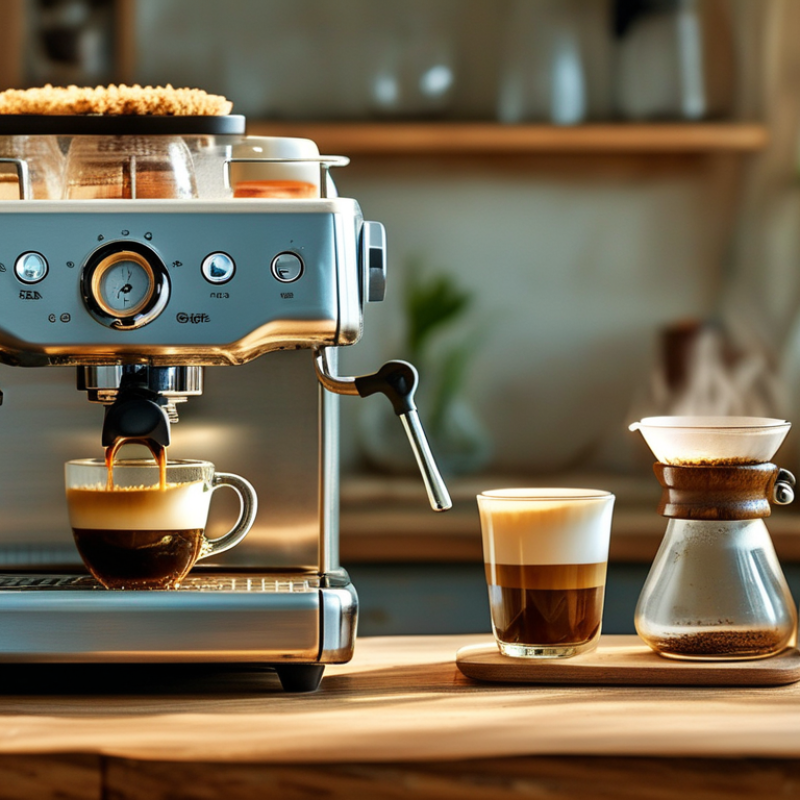
Energy Consumption Patterns of Coffee Making Appliances
Coffee making appliances are essential in many homes, but they consume significant energy. Research shows that coffee makers can use between 800 to 1,200 watts during peak heating. This energy draw adds up over time, especially for daily coffee drinkers. In fact, a recent study indicated that coffee brewing could account for nearly 10% of household energy usage focused on kitchen appliances.
Moreover, the operational energy consumption patterns vary significantly among different types of coffee makers. For instance, single-serve machines often use more energy per cup compared to traditional drip coffee makers. While the latter typically consumes around 100 watts during brewing, single-serve models can spike up to 1,500 watts. This variation prompts the need for consumers to evaluate their choice of appliances carefully.
Energy efficiency should be a priority for all coffee lovers. Understanding these consumption patterns can lead to better decision-making about purchasing. Additionally, relying on programmable settings could lower energy use during peak hours. Small adjustments, like using a thermos instead of a coffee pot, can impact energy savings as well.
Understanding the Efficiency Ratings of Coffee Makers
Understanding the efficiency ratings of coffee makers can significantly impact energy consumption. A study by the U.S. Department of Energy outlines that coffee makers account for around 2-3% of residential energy use. Choosing an efficient model can lower these costs. Look for Energy Star ratings, which indicate higher efficiency standards.
Many coffee makers have automatic shut-off features. These can save energy by turning off the machine after a set time. However, some users forget to use these features. Reports show that 25% of coffee makers are left on longer than necessary. Opting for models with programmable settings can help mitigate this issue.
Another consideration is the brewing method. Single-serve machines often consume more energy per cup compared to traditional drip machines. The Energy Saving Trust estimates these machines use up to 50% more energy than their counterparts. Reflecting on this can guide consumers toward more sustainable choices. Careful decision-making regarding coffee maker efficiency can lead to energy savings and a reduced environmental footprint.
Energy Consumption of Different Coffee Makers
Utilizing Programmable Features to Reduce Energy Costs
Utilizing programmable features in coffee-making appliances can significantly lower energy costs. Many modern coffee machines come equipped with programmable options, allowing users to set specific brew times. According to the U.S. Department of Energy, this can save an average household around $100 annually on energy bills. By scheduling brews during off-peak hours, consumers can also take advantage of lower energy rates.
Moreover, many appliances now include auto shut-off features. This function ensures that machines power down after a period of inactivity. Data from the Energy Savings Trust indicates that automatic shut-off can reduce energy consumption by up to 25%. Despite these benefits, not all users utilize these features effectively. Some may forget to set their timers or bypass the shut-off option, leading to unnecessary energy waste.
It's essential for users to be aware of their habits. The Environmental Protection Agency highlights that manually turning off appliances can further enhance savings. Research suggests that just a small change in daily routines can lead to significant reductions in energy use. By embracing programmable settings, consumers have the potential to make a more meaningful impact on their energy consumption. Even minor adjustments to habits can yield long-term benefits.
10 Energy Saving Tips for Coffee Making Appliances
| Tip Number |
Energy Saving Tip |
Potential Energy Savings (%) |
Comments |
| 1 |
Use Programmable Timers |
15% |
Set to brew just before you wake up. |
| 2 |
Brew Only What You Need |
10% |
Avoid wasting energy on excess coffee. |
| 3 |
Keep Your Coffee Maker Clean |
5% |
Efficient brewing improves energy use. |
| 4 |
Turn Off After Use |
20% |
Manual shut-off saves energy. |
| 5 |
Use Fresh Water for Each Brew |
6% |
Old water may require more energy to heat. |
| 6 |
Choose Energy Star Certified Machines |
30% |
Higher efficiency ratings reduce sources of waste. |
| 7 |
Insulate Your Coffee Pot |
8% |
Minimize heat loss while keeping coffee warm. |
| 8 |
Schedule Brewing During Off-Peak Hours |
12% |
Lower costs and less strain on energy grid. |
| 9 |
Use the Right Grind Size |
7% |
Improves extraction and reduces brewing time. |
| 10 |
Avoid Pre-heating Water |
4% |
Most coffee machines heat water adequately. |
Best Practices for Water Heating to Optimize Energy Usage
Heating water for coffee can consume a significant amount of energy. To optimize energy usage, consider heating only what you need. If you're brewing a single cup, there’s no need to heat an entire kettle. Measure the water carefully to avoid waste.
Using an insulated container to keep your water warm is another effective practice. This method can reduce the frequency of heating required. Many modern appliances come with built-in settings that allow for more efficient heating cycles. Explore these features to make the best use of your device.
While it might seem simple, maintaining your appliance ensures optimal performance. Regularly descaling your coffee maker can enhance its efficiency. However, this task often gets overlooked. Failing to do so may lead to increased energy consumption due to blockages. Implementing these small changes can lead to notable energy savings over time.
Comparative Analysis of Brew Methods for Energy Efficiency
When it comes to energy efficiency in coffee making, various brewing methods show different levels of consumption. Traditional drip coffee makers use a considerable amount of electricity to heat water. They often run for long periods and need constant energy to keep the coffee warm. In contrast, single-serve systems tend to heat only the precise amount of water needed per cup. This can reduce waste, but these machines require energy for every brew cycle, which may add up quickly.
Espresso machines present another energy dynamic. They may consume a lot initially, as they require time to heat the boiler. However, they can be energy-efficient if used wisely. On the other hand, methods like French press or pour-over rely on hot water but do not need electricity for brewing. This can lead to significant savings if kettle energy is minimized. Evaluating each method's energy costs is essential for better choices.
It’s crucial to consider how brewing habits influence efficiency. For instance, brewing multiple cups at once in a drip machine may seem convenient but can lead to using unnecessary electricity. On the flip side, frequently brewing single cups might increase overall energy use if the machine is less efficient. Day-to-day practices in coffee making greatly affect energy consumption, making mindful brewing an important aspect of sustainability.
Conclusion
In today's energy-conscious world, knowing how to save energy with coffee making appliances is essential for both cost savings and environmental responsibility. This article explores energy consumption patterns of various coffee makers, providing insights into their efficiency ratings. By understanding these ratings, consumers can make informed choices when selecting appliances that minimize energy usage.
Additionally, the article highlights the importance of utilizing programmable features in coffee makers to reduce energy costs. Implementing best practices for water heating can further optimize energy usage, ensuring that you use only the necessary amount of energy. Finally, a comparative analysis of different brew methods reveals varying levels of energy efficiency, allowing coffee enthusiasts to select methods that align with their energy-saving goals. By following these tips, individuals can enjoy their coffee while significantly reducing their energy footprint.

 Sophia Electric Appliance