Why is a Coffee Maker Different from a Coffee Machine?

Time:2026-04-29 Author:Ethan
0%

When brewing a cup of coffee, most enthusiasts encounter two common terms: coffee maker and coffee machine. However, what is the difference between coffee maker and coffee machine? Understanding this distinction is crucial for both casual drinkers and coffee connoisseurs alike.

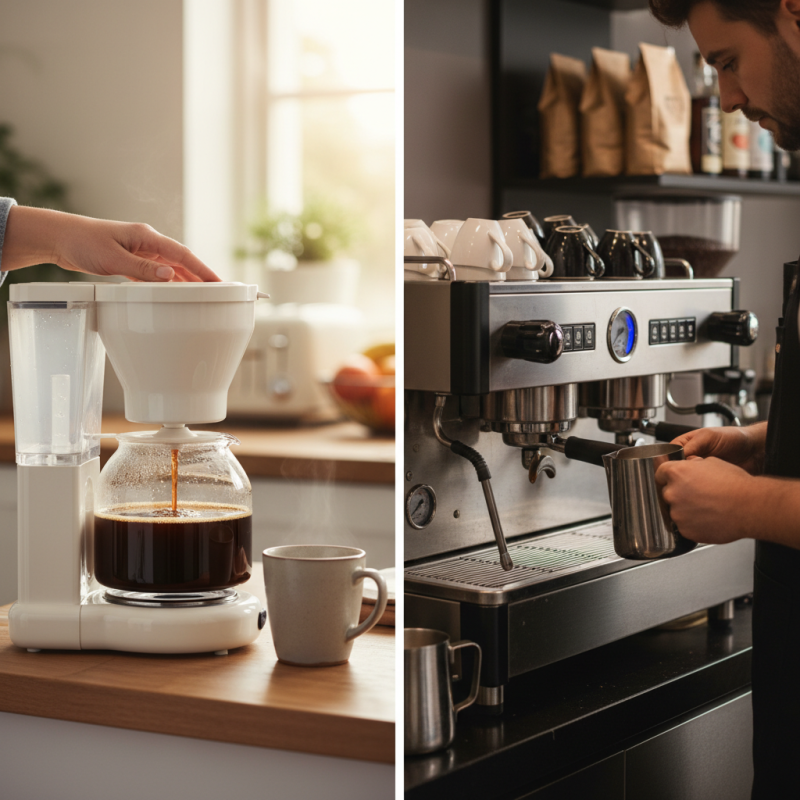
A coffee maker typically refers to a simple device designed for home use, focusing on ease and convenience. You fill the water reservoir, add ground coffee, and watch as it brews your desired beverage. In contrast, a coffee machine often denotes more advanced equipment, often found in cafés. These machines may offer features like programmable settings, frothing capabilities, and even multiple brewing options.

The choice between the two can greatly affect the quality of your coffee. While a coffee maker is ideal for a quick morning boost, a coffee machine allows for a more customized experience. It’s essential to evaluate your coffee preferences and habits when making a decision. Are you seeking simplicity or sophistication? Understanding these differences can lead to a more satisfying coffee experience.
Why is a Coffee Maker Different from a Coffee Machine?

Differences in Definition: Coffee Maker vs. Coffee Machine

When we discuss the differences between a coffee maker and a coffee machine, we enter a fascinating realm. A coffee maker generally refers to a simpler device. It brews coffee using hot water and ground beans. These machines often work with basic functions. Their design is straightforward, focusing on ease of use. You fill a water reservoir, add coffee grounds, and press a button. Simple, yet effective.

On the other hand, a coffee machine can mean something more sophisticated. This term often encompasses various types of equipment, including espresso machines and specialty brewers. Coffee machines may offer additional features, like grinding beans or selecting brew strength. They can be complex and require a bit of learning. Many users may feel overwhelmed by the options available. This complexity can lead to mistakes, like incorrect settings or water ratios.

Understanding these distinctions is crucial. It helps consumers choose based on their preferences and needs. A basic coffee maker might suffice for some, while others desire the control a coffee machine provides. Striking the right balance between convenience and quality often makes all the difference. Each option has its merits, though sometimes the decision can be confusing.

Why is a Coffee Maker Different from a Coffee Machine?

Feature Coffee Maker Coffee Machine
Definition A simple appliance that brews coffee using ground coffee. An advanced machine that may offer additional features like espresso brewing and milk frothing.
Complexity Generally straightforward, with usually one or two brewing options. Can have multiple brewing methods and customizable settings.
Price Range Usually more affordable, starting from lower price points. Typically more expensive due to added features and technology.
User Friendliness Easy to use with minimal setup required. Can require more effort to learn due to complex features.
Maintenance Generally lower maintenance needs. May require frequent cleaning and descaling processes.
Brewing Time Typically quicker brewing times. Brewing may take longer, especially for specialty coffees.

Key Components of a Coffee Maker and Their Functions

When comparing a coffee maker to a coffee machine, it’s essential to understand their components. A coffee maker typically includes a water reservoir, a heating element, and a filter basket. The water reservoir holds the water needed for brewing. Reports indicate that around 75% of consumers prefer machines with larger reservoirs, which allow for multiple cups without frequent refills.

The heating element is crucial for brewing. It heats the water to the right temperature, generally around 200°F. This temperature is optimal for extracting flavors from coffee grounds. Some models struggle to maintain consistent temperatures, leading to under-extraction or over-extraction of flavors. The filter basket, on the other hand, allows brewed coffee to pass through while retaining the grounds. A well-designed filter can enhance flavor, yet many overlook this aspect.

Another important feature is the carafe. It holds the brewed coffee and keeps it warm. Thermal carafes are gaining popularity due to their ability to maintain temperature longer. However, they can be difficult to clean. Research shows that users often choose convenience over function, which can lead to unsatisfactory coffee experiences. Understanding these components helps coffee enthusiasts make informed choices.

Key Components of a Coffee Machine and Their Functions

When discussing coffee makers versus coffee machines, it's essential to focus on the key components that define a coffee machine. A coffee machine often includes several critical elements. The water reservoir stores water for brewing. This component varies in size across different models, influencing how many cups of coffee can be made at once. A heating element is also vital. It heats the water to the ideal brewing temperature, which impacts the extraction process.

The brew basket is where coffee grounds are placed. This part often features a filter system that ensures a clean cup without sediment. A carafe or pot is used for pouring the freshly brewed coffee. It’s fascinating how different designs affect the coffee's heat retention and serving convenience. Some coffee machines include programmable features, adding an extra layer of convenience.

Yet, using a coffee machine can sometimes feel uncertain. Not every model brews perfectly every time. Users may find varying taste profiles or inconsistent temperatures. It's crucial to experiment with grind sizes and brewing times. The journey of understanding a coffee machine can lead to experimentation and growth in coffee appreciation.

Key Components of a Coffee Machine and Their Functions

Brewing Techniques: How Methods Differ Between the Two

When comparing a coffee maker and a coffee machine, brewing techniques show significant differences. Coffee makers are often simpler. They typically use drip brewing. Hot water drips through coffee grounds, pulling out flavors. This method is straightforward but can lack depth. Many find this simplicity appealing. It provides a quick way to enjoy coffee.

On the other hand, coffee machines offer various methods. They can include espresso brewing, French presses, and even pour-over techniques. Each method brings unique flavors. Espresso machines use pressure, extracting strong flavors quickly. French presses involve steeping, which enhances richness and texture. Pour-over allows control over brewing time and water temperature, creating a more tailored flavor profile.

While coffee makers provide convenience, they can miss out on complex flavors. The limited flow of water might not extract all the nuances of high-quality beans. This simplicity can lead to a one-dimensional taste. Coffee machines demand more attention and skill, allowing drinkers to experiment. However, not everyone may prefer this approach. Some might appreciate a quick cup rather than a perfect brew. Balancing complexity and convenience is essential in choosing the right option.

Common Use Cases and Consumer Preferences for Each Type

When it comes to brewing coffee, consumers often find themselves choosing between a coffee maker and a coffee machine. Both devices serve a similar purpose but cater to different lifestyles and preferences. A coffee maker typically offers simplicity and convenience. It is ideal for quick brews in the morning, requiring minimal setup. Many households use these for daily coffee rituals. Just fill the reservoir, add coffee grounds, and press a button.

On the other hand, coffee machines offer versatility. They often include features like grinding beans or brewing espresso. These are favored by coffee enthusiasts and those who enjoy experimenting. They can produce a variety of coffee styles. However, they may come with a learning curve. Some users find this intimidating or overly complicated for daily use.

Understanding individual needs is crucial. Whether a user opts for an easy coffee maker or a feature-rich coffee machine depends on factors like time, effort, and flavor preference. Everyone has different priorities. Therefore, choosing the right device can be a personal journey, reflecting one’s own coffee culture.

FAQS

: What are the main components of a coffee maker?

: A coffee maker typically includes a water reservoir, heating element, and filter basket.

Why is the water reservoir important?

It holds water for brewing and larger reservoirs reduce the need for frequent refills.

What temperature does the heating element reach?

It usually heats water to around 200°F for optimal flavor extraction from coffee grounds.

What role does the filter basket play?

It allows brewed coffee to pass while keeping grounds contained, affecting flavor quality.

Why are thermal carafes popular?

They maintain coffee temperature longer, though they may be harder to clean.

What challenges do users face with coffee machines?

Inconsistencies in brewing may lead to varying taste profiles or temperatures.

How do brew baskets ensure a clean cup?

They often feature filter systems that prevent sediment from appearing in the coffee.

What additional feature do some coffee machines offer?

Programmable features enhance convenience for coffee preparation.

What might users overlook when choosing coffee makers?

They may prioritize convenience over function, impacting their coffee experience.

How can experimenting improve coffee appreciation?

Trying different grind sizes and brewing times leads to better understanding and enjoyment.

Conclusion

Understanding "What is the difference between a coffee maker and a coffee machine" is essential for coffee enthusiasts. A coffee maker typically refers to simpler brewing devices that are straightforward in operation, focusing on basic functions such as water heating and brewing coffee grounds. In contrast, a coffee machine usually incorporates more advanced features like programmable settings, integrated grinders, and various brewing techniques, allowing for customizable coffee experiences.

Key components also set the two apart: coffee makers generally consist of essential parts such as the coffee pot and filter basket, while coffee machines may include more complex elements like pumps and pressure systems. Brewing techniques vary as well, with coffee makers often relying on drip or pour-over methods, while coffee machines can employ methods like espresso brewing or cold brew. Consequently, consumer preferences typically lean towards coffee makers for convenience, while coffee machines appeal to those seeking versatility and enhanced flavor profiles.

Ethan

Ethan

Ethan is a seasoned marketing professional with a deep expertise in our company's innovative product line. With a passion for sharing knowledge and insights, he takes the lead in regularly updating our corporate blog, where he explores industry trends, product features, and effective marketing......