A coffee grinder rarely fails overnight. Its lifespan changes with build quality, daily use, cleaning, and whether worn parts can be replaced. A home grinder used for two cups each morning faces a different workload from one grinding beans all day in a busy café. The difference shows over time.
Coffee consultant Scott Rao is widely associated with the reminder, “The grinder is the most important piece of equipment.” That idea matters when judging lifespan. Dull burrs can make grind sizes uneven, while packed coffee oils and fine particles may affect performance. Often, the grinder still runs. The coffee simply tastes flatter, or brewing becomes less predictable.
So, what is the lifespan of a coffee grinder? For many home models, several years of dependable use is reasonable, but there is no universal expiration date. Burr replacement, careful cleaning, and access to spare parts can extend useful life. Motor strain, loud new rattles, and inconsistent grounds can signal trouble. Not every change means the grinder is finished. Sometimes, it needs a thorough clean—or fresh burrs.
This guide looks at realistic lifespan ranges, the parts that wear first, and the habits that help grinders last. It also considers a less tidy truth: owners may replace a grinder because newer features look appealing, not because the old one has stopped working. That choice is personal. The cup, repair cost, and daily routine offer better clues than age alone.
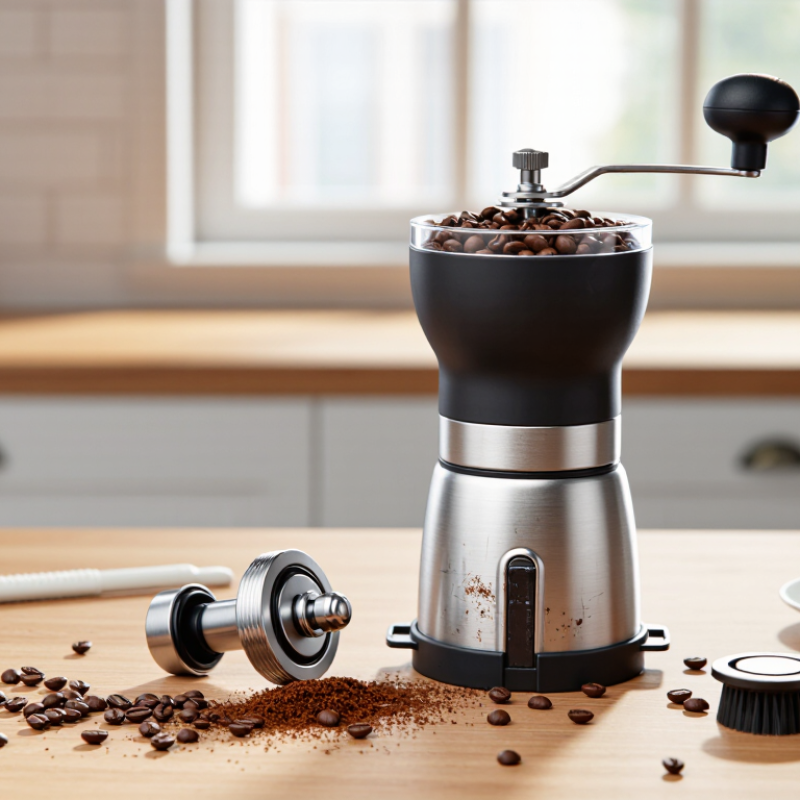
A coffee grinder’s lifespan depends less on its age than on how hard it works. The National Coffee Association’s 2024 National Coffee Data Trends report found that 67% of U.S. adults had coffee the previous day. That widespread daily habit makes household workload worth considering, but the report does not measure grinder durability. A grinder used for several cups every morning will accumulate wear faster than one used occasionally. Burr material and alignment matter, too: dull or misaligned burrs can produce uneven grounds and force the motor to work harder. There is no single reliable lifespan figure for every grinder.
Dusty grounds, oily residue, and trapped particles add strain. Grinding very dark, oily beans can leave sticky deposits around the burrs, while repeatedly running a grinder empty may create unnecessary wear. Heat also matters. Grinding several batches back-to-back can warm the motor; pauses help it cool. I would not judge condition by sound alone. Changes in grind consistency, unusual heat, or a struggling motor are better clues, though none proves a specific part has failed.
Tips: Brush loose grounds from the burr chamber regularly, following the maker’s care instructions. Keep the grinder dry, and avoid rinsing parts unless they are explicitly washable. For a fair lifespan estimate, track daily use and note when grind quality changes. Small maintenance habits help—but they cannot undo worn burrs.
A manual coffee grinder can often serve a home brewer for five to fifteen years, and sometimes longer. Its simple mechanism has fewer parts that can fail. With daily use, burrs gradually lose their edge, while a loose handle or worn adjustment thread can make grinding uneven. A sturdy body helps, but careful use matters too. For example, forcing a jammed handle may damage the shaft.
An electric grinder commonly lasts around five to ten years in a home kitchen. Its motor, switches, and wiring add failure points, and frequent grinding can speed up wear. Burrs may need replacement before the machine itself does; their useful life varies with bean volume, burr material, and how fine you grind. These ranges are estimates, not guarantees. I would not judge a grinder by age alone: a noisy motor, inconsistent grounds, or a burning smell deserves attention.
Tips: Brush out loose grounds regularly, keep the grinder dry, and follow its cleaning instructions. Avoid grinding stones or other hard objects. If the burrs are replaceable, check their condition before replacing the whole grinder. Don’t force stuck parts.
A worn grinder often shows its age in the cup before it stops working. Watch for a sudden mix of dusty fines and noticeably coarse pieces, even when your settings have not changed. The brew may taste flat, harsh, or uneven from one day to the next. Grinding can also take longer, or the motor may sound strained. Small clues matter.
Do not blame the burrs immediately. Old grounds, oily residue, changing beans, or a loose setting can mimic wear. This is easy to misread; I would check cleaning and settings before judging the grinder. Unplug it, brush away trapped grounds, and test the same beans at the same setting. If the result stays inconsistent, inspect the burr edges for dullness or chips, and notice any wobble or unusual scraping. A burning smell, repeated stalling, or new grinding noise deserves attention. Stop and consult the care instructions rather than forcing the mechanism. No single sign gives a reliable age estimate, but several persistent changes together suggest performance is declining. Keep a simple note of grind time and taste. It may reveal a slow change you would otherwise miss.
How Long Does a Coffee Grinder Last?
Maintenance Practices That Extend Grinder Life
A grinder’s service life depends on burr wear, daily workload, and cleaning habits. Fine coffee dust and oily residue can collect around the burrs and chute, slowing the grind and affecting flavor. The National Coffee Association’s 2024 National Coffee Data Trends report found that 67% of U.S. adults had coffee the previous day. That frequent use makes routine care practical, though the report does not measure grinder lifespan. There is no honest universal replacement date: burr material, bean volume, and grind settings all matter.
Unplug the grinder before cleaning. Use a dry, soft brush to clear grounds from the burr chamber and chute; avoid rinsing burrs unless the manufacturer specifically permits it. Wipe the hopper with a dry cloth, especially if it feels slick with coffee oils. Check for uneven particles, slower grinding, or a setting that no longer produces the same brew. These can indicate wear, but they may also signal a cleaning issue. I’d inspect before replacing parts.
Tips: Brush out loose grounds weekly with regular use. Clean oily residue when it appears, and follow the grinder’s care instructions. Small habit, real difference.
Regular cleaning helps reduce coffee-oil buildup and trapped grounds, which can affect performance over time. This practical schedule works out to 52 weekly brush-outs, 12 monthly deep cleans, and 4 quarterly inspections per year. Actual needs vary by grinder and use; follow the manufacturer’s care instructions.
A coffee grinder may run for years, but its useful life depends on daily use, cleaning, and the parts inside. A home grinder used once each morning faces less wear than one grinding several batches a day. Listen for changes: a new rattling sound, uneven grounds, or a motor that slows can signal trouble. Not always.
Try simple checks before paying for a repair. Unplug the grinder, brush away trapped coffee, and inspect the hopper and grinding chamber. Oily beans can leave sticky residue that makes a grinder seem broken. If the burrs look dull or produce noticeably inconsistent grounds, replacing them may restore performance. Small parts wear.
A repair makes sense when the motor still runs smoothly and the fault is limited to a switch, burr set, or loose fitting. Ask for a written estimate, then compare it with the cost of a similar new grinder. A burning smell, repeated overheating, cracked housing, or failing motor usually points toward replacement, especially if parts are unavailable. Stop using it if the cord is damaged. I have seen people keep adjusting grind settings to hide worn burrs; it can help briefly, but it does not fix the cause. The right call is sometimes less obvious than it looks.
Often five to fifteen years, sometimes longer. Daily use slowly dulls the burrs. Don’t force a jammed handle.
Around five to ten years in a home kitchen. Its motor and switches add wear points. These are estimates, not guarantees.
Watch for uneven grounds, slower grinding, new rattling, or a motor that slows down. Not always. Coffee residue can cause similar symptoms.
Unplug it, then use a dry, soft brush around the burrs and chute. Wipe the hopper with a dry cloth. Keep it dry.
Weekly brushing is a practical routine with regular use. Clean oily residue when you notice it. Small habit, real difference.
If the burrs are replaceable, inspect them before replacing the machine. Worn burrs can cause inconsistent grounds. Check for residue first, though.
Repair may make sense if the motor runs smoothly and the fault is limited to a small part. Compare a written repair estimate with the cost of a similar new grinder.
Stop if it smells burnt, repeatedly overheats, has cracked housing, or a damaged cord. Unplug it. Don’t keep adjusting settings to hide worn burrs.
What is the lifespan of a coffee grinder? It depends on factors such as how often it is used, the quality of its materials, the type of beans ground, and how well it is maintained. Manual grinders can last for many years with careful use, while electric grinders may experience more wear because they contain motors and other moving parts. There is no single lifespan that applies to every grinder, so changes in performance are often more useful than age alone.
Signs of wear include uneven grounds, slower grinding, unusual noises, excess heat, or difficulty adjusting the grind size. Regularly cleaning the burrs and grinding chamber, avoiding moisture, and following the maker’s care instructions can help extend a grinder’s life. If cleaning or replacing a worn part restores consistent performance, repair may be worthwhile. If problems persist, repairs are impractical, or the grinder no longer meets your needs, replacing it may be the better choice.

Sophia Electric Appliance