Best Grind Size for Coffee Making How to Choose?

Time:2026-05-13 Author:Aria
0%

Choosing the right grind size is crucial in coffee making. Many coffee enthusiasts ask, "What is the best grind size for coffee making?" The answer depends on various factors, including brewing method and personal taste preferences.

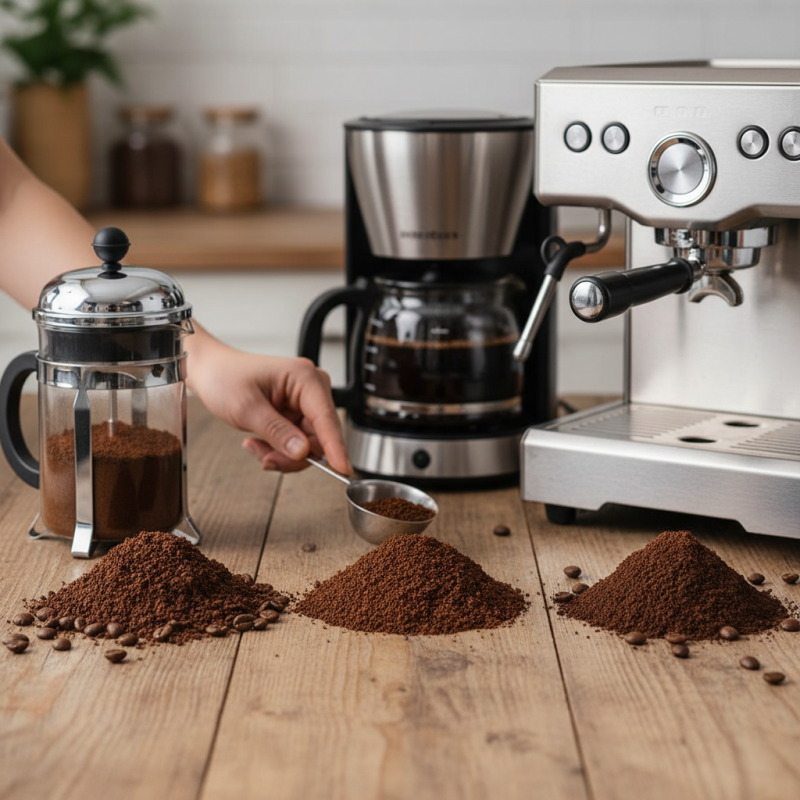
Coarse grinds work well for French press or cold brew. A medium grind suits drip coffee makers. Fine grinds are essential for espresso machines. Each method extracts flavors differently. Understanding your equipment is key.

Over time, many struggle with grind consistency. A rough grind may lead to under-extraction, giving a sour taste. Conversely, an overly fine grind can cause bitterness. Experimentation is part of finding your ideal grind. Trust your taste buds while refining your approach. Each cup is a new opportunity to learn.
Best Grind Size for Coffee Making How to Choose?

Essential Factors Influencing Coffee Grind Size Selection

When it comes to coffee, grind size plays a crucial role in flavor extraction. Understanding the various factors that influence your choice can enhance your brewing experience. Coffee type is one major element to consider. Different beans can respond differently to grind sizes. For a bold French press, a coarse grind works well. However, finer grinds are better suited for espresso to capture the rich, intense flavors.

Water temperature is another essential consideration. Hotter water extracts flavor more quickly from finer grinds. Conversely, a coarser grind requires longer brewing time to achieve the desired taste. The brewing method also impacts grind size selection. For instance, pour-over methods benefit from a medium grind, while Turkish coffee demands an ultra-fine grind for optimal results.

Not everyone finds their perfect grind size on the first try. Experimentation is often necessary to achieve the best flavor. Keep track of your attempts. Reflecting on what worked and what didn’t can lead to improved results. It's this process of trial and adjustment that can ultimately refine your coffee-making skills. Enjoy the journey of discovering your ideal grind size.

Best Grind Size for Coffee Making

This chart illustrates the best grind sizes for different coffee brewing methods. Coarse grind is preferred for methods like French press, while fine grind is ideal for espresso. Choose the grind size that matches your brewing technique for optimal flavor extraction.

Understanding Different Coffee Brewing Methods and Their Grind Requirements

Choosing the right grind size for coffee is crucial. Different brewing methods require varying grind textures. For instance, a French press needs a coarse grind. This allows the water to extract flavors without becoming bitter.

On the other hand, espresso demands a fine grind. A finer grind increases the surface area, enhancing the extraction. It's essential to find the right balance. If the grind is too fine for a French press, the coffee might become overly bitter. Alternatively, a coarse grind used for espresso can lead to under-extraction, resulting in a weak flavor profile. Experimentation is key to mastering your ideal brew.

Understanding your brewing method is vital. Pour-over methods like Chemex require a medium grind. This strikes a balance between flavor and strength. Each method has its nuances. Tracking your grind sizes and brewing times can help refine your process. Adjusting your grind based on taste helps in achieving that perfect cup. There’s always room for reflection and adjustment in your coffee-making journey.

How Grind Size Affects Flavor and Extraction in Coffee

The grind size of coffee beans plays a crucial role in determining the final flavor and extraction efficiency. Studies reveal that a coarser grind extracts flavors slowly, while a finer grind speeds this process. This relationship influences the coffee’s taste profile significantly. According to research by the Specialty Coffee Association, different brew methods call for different grind sizes to optimize extraction.

For instance, a French press benefits from a coarse grind. This allows for a slower extraction, resulting in a rich, full-bodied flavor. In contrast, espresso requires a fine grind due to its quick brewing time. A detailed report from the Institute for Coffee Excellence states that using the incorrect grind size can lead to over-extraction or under-extraction. Over-extraction often results in bitter flavors, while under-extraction can yield a sour taste.

It's essential to experiment with grind sizes. Misjudgment can happen easily; not all beans respond the same way. For instance, lighter roasts often benefit from a finer grind compared to their darker counterparts. Adjusting the grind size can be a journey. Each cup brewed provides an opportunity to refine your preference and improve your brewing technique. Understanding these nuances ultimately enhances the drinking experience.

Tips for Experimenting with Grind Size for Optimal Coffee Taste

Grind size plays a crucial role in brewing coffee. It's fascinating how it affects flavor extraction. According to the Specialty Coffee Association, the optimal grind size varies for different brewing methods. A coarse grind is ideal for French press, while espresso requires a fine grind. Understanding these differences can lead to a more enjoyable cup of coffee.

Experimenting with grind size is essential for perfecting your brew. Start with a standard size based on your method. Then adjust incrementally. A study published in the Journal of Food Science found that a slight change in grind size can significantly alter coffee taste. For instance, a finer grind may lead to bitterness, while a coarser one might lead to under-extraction.

Remember, each coffee bean is unique. Factors like origin, roast level, and freshness affect brewing. It's common to feel overwhelmed while experimenting. You may not achieve the perfect cup right away. Reflect on your brewing process and make adjustments based on your tasting notes. Trust your palate to guide your journey in discovering the best grind size for your coffee.

Common Mistakes to Avoid When Choosing Coffee Grind Size

Choosing the right coffee grind size can greatly impact your brewing experience. One common mistake is selecting a grind that doesn't match your brewing method. For example, using a fine grind for a French press leads to over-extraction. The result? Bitter flavors that drown out the coffee’s natural sweetness.

Another issue arises from a lack of understanding of grind sizes. Some may think a coarser grind is always better for brewing methods like cold brew. However, even coarser grinds can result in under-extraction if they brew too quickly. It's crucial to know that every method has its recommended grind size for a reason. Ignoring this guideline often leads to disappointment.

Don’t forget to consider the freshness of your grind too. Grinding coffee too far in advance can lead to stale flavors. If the grind size is perfect but the coffee is old, the taste suffers. Reflection on these factors can help enhance your coffee-making journey. Choose wisely.

Best Grind Size for Coffee Making - Common Mistakes to Avoid When Choosing Coffee Grind Size

Grind Size Brew Method Recommended Time Common Mistakes
Coarse French Press 4-5 minutes Using fine grind; Over-extracting
Medium-Coarse Pour Over 3-4 minutes Not using enough coffee; Incorrect water temperature
Medium Drip Coffee 4-5 minutes Inconsistent grind size; Using stale coffee
Medium-Fine Aeropress 2-3 minutes Too much pressure applied; Incorrect steeping time
Fine Espresso 25-30 seconds Using coarse grind; Over-extraction

FAQS

: Why is grind size important for coffee brewing?

: The grind size influences flavor extraction and can determine the overall taste of your coffee.

What grind size do I need for a French press?

A coarse grind is ideal for French press to avoid bitterness and extraction issues.

How does grind size affect espresso?

Espresso requires a fine grind, which increases surface area for better flavor extraction.

Can I use the same grind size for different brewing methods?

No, each method has specific grind size needs. Using the wrong one can lead to disappointment.

How do I know if my grind size is correct?

Experiment with different sizes and adjust based on taste. A balanced flavor indicates the right grind.

What common mistakes should I avoid?

Avoid mismatching grind size with your brewing method. This can cause over-extraction or under-extraction.

Can old coffee affect the taste even with the right grind?

Yes, grinding too far in advance can result in stale flavors, ruining an otherwise good brew.

How often should I experiment with grind size?

Regularly adjust and reflect on different sizes. This helps fine-tune your coffee experience over time.

What should I do if my coffee tastes bitter?

Consider the grind size; if it’s too fine for your method, it may lead to over-extraction and bitterness.

How do I track my grind size and brewing times?

Keep notes on your grind sizes, methods, and tasting results. This helps refine your coffee-making process over time.

Conclusion

When considering "What is the best grind size for coffee making," it is essential to understand the various factors that influence grind size selection. Different brewing methods, such as espresso, pour-over, and French press, require specific grind sizes to optimize flavor extraction and ensure a balanced cup of coffee. For instance, a fine grind is typically used for espresso to enhance extraction speed, while a coarser grind suits methods like cold brew.

The impact of grind size on flavor underscores the importance of experimentation. Coffee enthusiasts are encouraged to adjust their grind size based on personal taste preferences and brewing techniques. However, common mistakes, such as using an inappropriate grind size for the chosen brewing method, can lead to undesirable outcomes. By learning about these elements, coffee lovers can refine their approach to grind size, ultimately enjoying richer and more flavorful brews.

Aria

Aria

Aria is a dedicated marketing professional with a deep passion for innovative strategies and a keen understanding of our company's product offerings. With a wealth of experience in the industry, Aria excels at crafting engaging content that highlights the unique features and benefits of our......