When it comes to brewing the perfect cup of coffee, one question stands out: "What is the best grind size for coffee making?" Renowned coffee expert James Hoffmann once stated, "Grind size affects extraction time, flavor, and aroma." His insight highlights the importance of choosing the right grind size.
A coffee's grind size can dramatically alter your brewing experience. Too coarse, and flavors may be under-extracted. Too fine, and bitterness often ruins the cup. The right choice balances these factors, leading to that sought-after taste. Notably, different brewing methods require distinct grind sizes. A French press demands a coarse grind, whereas espresso requires a fine one.
Experimentation is key in the quest for the perfect grind. Many enthusiasts struggle to find their ideal size. This often leads to misinformation and confusion in coffee circles. Understanding your brewing method and adjusting accordingly is essential. Finding the right grind size takes practice and attention. Never hesitate to refine your approach; the perfect cup awaits your discovery.
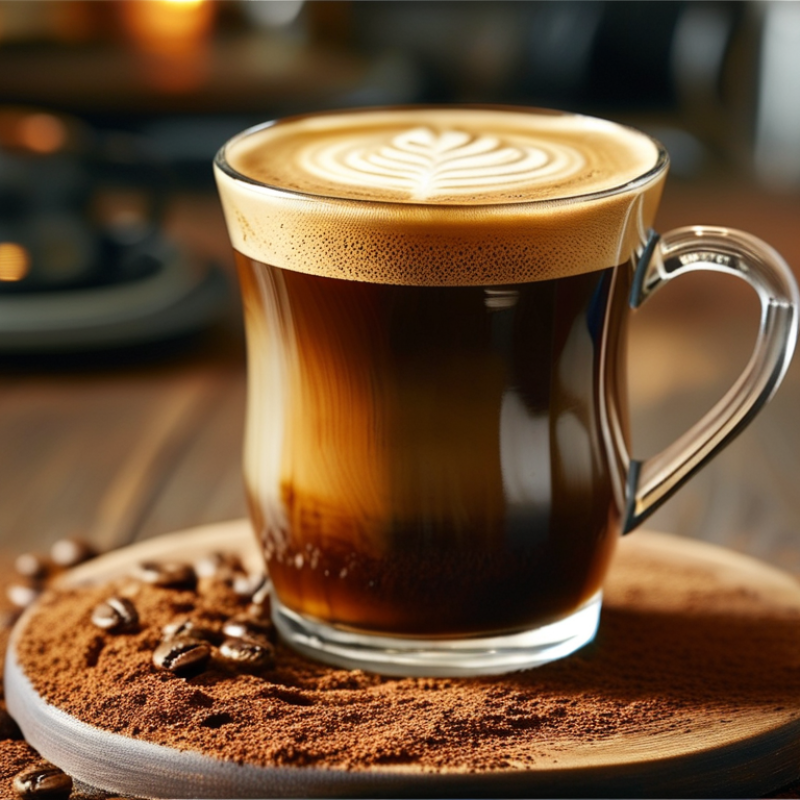
Understanding Coffee Grind Size and Its Importance
The significance of coffee grind size cannot be overstated. It affects extraction and overall flavor. A recent industry report indicated that approximately 56% of coffee enthusiasts believe grind size is crucial to brewing quality. Smaller particles extract more quickly than larger ones, leading to a balanced cup. Yet, many overlook this element.
Different brewing methods require specific grind sizes. For example, espresso demands a fine grind, while French press calls for a coarse one. A common mistake is using the same grind size for different brewing techniques. This can lead to bitterness or under-extraction. Adjusting grind size might take time, but the result is worth it.
To improve your process, experiment with grind sizes. Start with a medium grind for drip coffee. Adjust slightly based on taste. Remember, brewing coffee is both a science and an art. Reflecting on the impact of grind size can enhance your experience greatly. Balancing flavor will come from understanding the nuances of your equipment and preferences.
Different Types of Coffee Grind Sizes Explained
Choosing the right coffee grind size is essential for a great cup of coffee. Different brewing methods require different grind sizes to ensure optimal extraction and flavor. Here’s a breakdown of common grind sizes and their uses.
Coarse grind is ideal for methods like French press. The grains should resemble sea salt. A medium grind works well for drip coffee machines. This size allows even extraction, enhancing flavor. Fine grind is for espresso machines. The texture should be similar to table salt for precise brewing.
Brewing coffee is an art. If you find your coffee too bitter, consider adjusting the grind size. A coarser grind can help reduce bitterness. Conversely, if it tastes weak, a finer grind may bring out more flavor.
Try to experiment. A slight adjustment in grind size can lead to different results. Keep notes on what works best for you. Remember, each method can change the flavor profile. Finding the best grind is about personal preference and experimentation. Enjoy the journey of perfecting your brew!
Matching Grind Size to Brewing Methods: A Guide
When it comes to brewing coffee, the grind size plays a crucial role. Different brewing methods require specific grind sizes to extract the best flavors. For instance, a coarse grind is ideal for French press. This allows for a slower extraction process that highlights the coffee's body and richness. On the other hand, espresso requires a fine grind to achieve a quick, intense flavor extraction.
If you're using a pour-over method, a medium grind is recommended. It strikes a balance, allowing for even extraction while preventing over-extraction. The timing is critical here; too fine, and you risk bitterness. Too coarse, and the flavor may be weak.
Experimenting with grind sizes can be enjoyable. Adjust based on your taste preferences. Not every attempt will yield the perfect cup. The key is to observe how the grind affects the brew. Take notes on what works best. This practice can improve your skills over time, leading to a better understanding of coffee brewing.
For those just starting, remember to trust your palate. Don't hesitate to adjust the grind size based on your flavor profile. Small changes can lead to significant impacts. Enjoy the process, and celebrate your journey toward perfect brewing.
What is the Best Coffee Grind Size for Perfect Brewing? - Matching Grind Size to Brewing Methods: A Guide
| Brewing Method |
Recommended Grind Size |
Grind Size Description |
Brewing Time |
| Espresso |
Fine |
Sugar-like consistency |
25-30 seconds |
| French Press |
Coarse |
Similar to sea salt grains |
4 minutes |
| Pour Over |
Medium |
Granulated sugar consistency |
2-4 minutes |
| Aeropress |
Fine to Medium |
Sand-like texture |
30 seconds to 1 minute |
| Cold Brew |
Coarse |
Similar to sea salt grains |
12-24 hours |
How Grind Size Affects Flavor Extraction in Coffee
Grind size plays a crucial role in coffee flavor extraction. When coffee beans are ground, their surface area increases, impacting how water interacts with them during brewing. According to a research study by the Specialty Coffee Association, precise grind size can influence extraction by up to 20%. A finer grind size may yield a stronger flavor, but too fine can lead to over-extraction, resulting in bitterness.
Moreover, studies suggest that a medium grind is ideal for methods like drip brewing and pour-over. In contrast, a coarser grind suits French press brewing better. This variance highlights the importance of matching grind size to brewing technique. A miscalculation can alter the coffee's flavor profiles. For instance, grinding too coarse for espresso may leave the shot weak or under-extracted. In essence, understanding the relationship between grind size and extraction impacts how you enjoy coffee.
However, achieving consistency in grind size is often neglected. Even experienced brewers may overlook the calibration of their grinders. Variations in grind size can lead to uneven extraction. This issue underlines the need for attention to detail. A critical reflection on grinding techniques can lead to a more refined and enjoyable coffee experience.
Tips for Achieving the Perfect Coffee Grind Size at Home
Achieving the perfect coffee grind size at home can be a game-changer for your brewing experience. Research indicates that the grind size significantly impacts extraction, which influences flavor. A study by the Specialty Coffee Association found that uneven grind sizes can lead to under or over-extraction of coffee. This can alter the intended taste profile and lead to disappointment.
For most brewing methods, a consistent grind size is crucial. Coarse grinds work well for methods like French press, while medium grind suits pour-over techniques. The general guideline is to aim for 1,000 to 1,200 microns for a medium grind. A burr grinder is often preferred as it produces a uniform size, allowing for a more balanced extraction.
Home brewing is a learning process. It’s essential to note that water temperature and brewing time also play vital roles. Experimenting with different grind sizes can yield surprising results. Sometimes, a coarser grind can enhance sweetness, while a finer grind may amplify bitterness. This variability means that getting it right may take a few attempts. Don’t be afraid to reflect on your results and adjust accordingly.
FAQS
: Coarse grind is best for French press. It should resemble sea salt.
Grind size impacts extraction and can change flavor. A coarser grind reduces bitterness.
A medium grind is recommended for drip coffee machines. It allows even extraction.
Try a finer grind to enhance flavor. This can help improve the coffee's strength.
Consistent grind size ensures balanced extraction. Uneven grinds can lead to disappointing flavors.
Consider adjusting to a coarser grind. This change can help reduce bitterness.
Yes, experimentation is encouraged. Small adjustments can lead to significant taste differences.
Water temperature greatly affects extraction. Keep it consistent for the best results.
Trust your palate and adjust based on flavor preference. Note what works best for future brews.
Definitely. Each attempt can teach you something new about flavors and grind sizes.
Conclusion
Understanding the importance of coffee grind size is crucial for achieving the perfect brew. Various types of grind sizes, ranging from coarse to fine, cater to different brewing methods, influencing the extraction process and overall flavor profile of the coffee. For instance, a coarse grind is ideal for methods like French press, while a fine grind suits espresso brewing.
When wondering what is the best grind size for coffee making, it's essential to match the grind size with your chosen brewing technique. The grind size directly impacts flavor extraction; too coarse can lead to weak coffee, while too fine might result in overly bitter or over-extracted brews. To achieve the perfect coffee grind size at home, consider factors such as your brewing method, freshness of the beans, and personal flavor preferences, enabling you to enjoy a cup tailored to your taste.

 Sophia Electric Appliance