Why should I use a multifunction grinder? The answer begins with control, not convenience alone. One well-designed machine can grind coffee beans, spices, nuts, grains, or herbs with suitable attachments and settings. That means fewer appliances on a crowded kitchen counter. It can also reduce preparation time during busy mornings or family meals.
Coffee expert James Hoffmann has often emphasized this principle: “The grinder is more important than the espresso machine.” His point applies beyond espresso. A consistent grind affects extraction, texture, aroma, and cooking results. For example, uniform coffee particles can produce a cleaner cup, while freshly ground pepper releases a sharper fragrance beside a warm pan.
A multifunction grinder may also support better freshness. Whole beans, toasted spices, and grains usually protect their character longer than pre-ground ingredients. You can grind only what you need. Less waste.
Still, the choice is not completely simple. Some models claim to handle everything, yet perform unevenly across different materials. A coffee burr system may excel with beans but struggle with oily spices. A powerful blade unit may work quickly but create mixed particle sizes. I have found that attachment design, cleaning access, heat control, and noise matter as much as motor strength.
This 2026 guide examines practical performance rather than impressive labels. It considers grind consistency, durability, safety features, maintenance, and real kitchen handling. A multifunction grinder is useful when its flexibility matches your habits. It is not automatically the best choice for every user. That small doubt deserves attention.
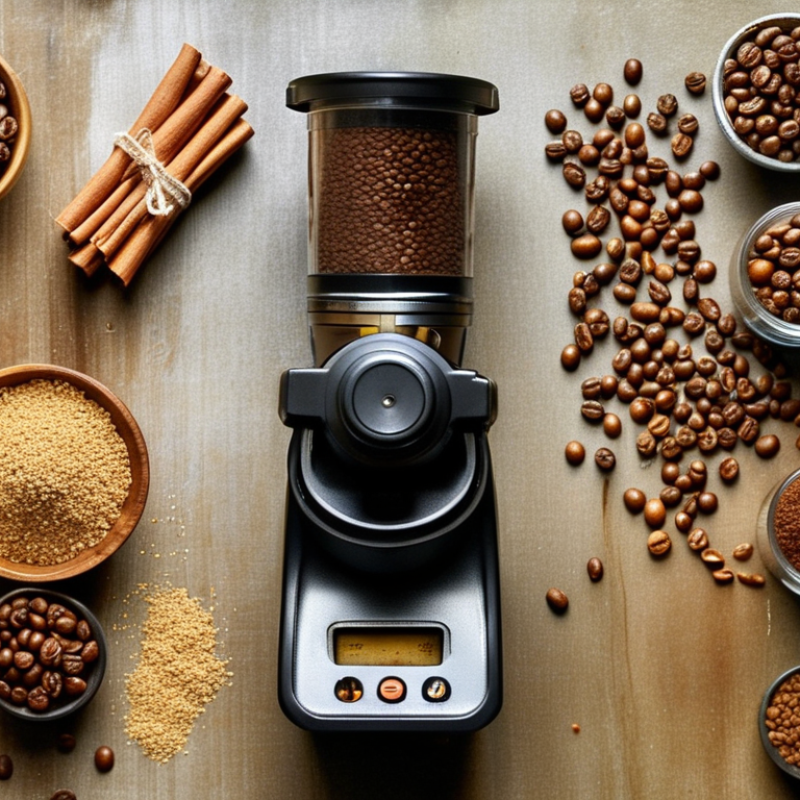
A multifunction grinder combines several grinding tasks in one compact appliance. It may handle coffee beans, dried spices, nuts, seeds, and small food portions. Its motor spins a blade or burr system inside a removable container. Different attachments change the grinding result.
Blade systems chop through rapid rotation. They work quickly but can produce uneven particles. Burr systems crush ingredients between two surfaces. They usually offer better control for consistent texture. Pulse controls also matter. Short presses create coarse results, while longer cycles produce finer powder. Heat can affect aroma, especially when grinding coffee or delicate spices. That detail is easy to miss.
Tips: Keep the container dry and avoid filling it completely. Use short pulses and shake the container gently between cycles. Clean the blade area with a soft brush, not wet fingers. Let the motor rest after repeated batches. I once assumed longer grinding was always better; it often created heat, clumps, and a flatter smell. Check the manual for suitable ingredients, because not every attachment handles hard food safely. A reliable grinder should feel stable, operate without unusual noise, and allow parts to be inspected easily.
A multifunction grinder can adjust particle size for different preparation tasks. For coffee, finer particles are generally used for Turkish-style brewing and espresso, while coarser particles suit filter coffee and French press methods. The ranges shown are typical targets in micrometres (µm); the exact result depends on the grinder, burr or blade design, coffee bean, and adjustment setting.
A multifunction grinder can turn several kitchen and workshop tasks into one controlled workflow. Its grinding function handles coffee beans, spices, nuts, and dried ingredients with adjustable coarseness. Short pulses usually create a more even texture than continuous running. I learned this after producing powder on the bottom and large pieces on top.
Cutting requires a different approach. A sharp blade can slice vegetables, herbs, and soft ingredients, but overloaded chambers often create uneven results. Keep pieces similar in size before processing. This small step matters. For mixing, use brief cycles to combine sauces, dough components, or blended ingredients without excessive heat. Scrape the sides between cycles when necessary.
Processing is where versatility becomes practical. A suitable attachment may shred, crush, mince, or combine ingredients with less manual handling. Check the user manual for capacity, blade compatibility, and maximum operating time. These details protect the motor and improve consistency. Always secure the lid and disconnect power before removing stuck material. Do not assume every grinder performs equally well across all functions. A unit that excels at fine grinding may be less effective for heavy mixing. My own preference has changed after testing different textures, so I now judge performance by results rather than advertised features.
How to Choose the Right Multifunction Grinder in 2026
A multifunction grinder should match your actual workshop tasks, not a crowded feature list. MarketsandMarkets estimates the power tools market will grow from USD 41.7 billion in 2023 to USD 51.1 billion by 2028. That growth reflects wider tool adoption, but more options can create poor buying decisions. Start with materials. Metal work needs stable torque and adjustable speed. Wood finishing needs smoother control and lower heat.
Check the grinder’s rated power, speed range, wheel diameter, spindle size, and attachment compatibility. Never assume every disc fits every model. The guard should remain secure during cutting and grinding. Look for restart protection, overload control, vibration reduction, and a comfortable side handle. OSHA machine-guarding guidance also stresses preventing contact with moving parts and controlling flying debris.
Dust management matters in real use. A practical trial should include ten minutes of handling, not only a glance at the specifications. Notice heat around the housing, switch placement, cable flexibility, and balance. A lighter tool may feel better, but excessive vibration quickly becomes tiring. I would also compare repair access and replacement-part availability. These details seem minor.
They are not.
Independent testing can reveal weaknesses that product sheets hide. Read laboratory reviews, certification records, and user feedback from similar materials. ISO 12100 emphasizes risk assessment and protective design, yet safe operation still depends on correct discs, eye protection, hearing protection, and training. My first choice would not be the highest wattage. It would be the model with controllable power, clear safety features, and attachments I can realistically use.
A multifunction grinder can handle spices, coffee beans, nuts, and small food preparations with one compact machine. Its value comes from controlled portions and consistent textures. Daily use is convenient, but safety should guide every cycle. Place the grinder on a dry, stable surface. Check that the bowl, lid, and blade assembly are locked correctly. Keep fingers away from moving parts, even when the machine appears quiet.
Unplug the motor before removing stuck ingredients or changing attachments. Use short pulses instead of forcing a full bowl. Overloading creates heat, uneven results, and unnecessary strain. I once ignored a small rattling sound and continued grinding; that was a poor decision. Stop when the noise changes. Let the motor cool between demanding tasks. Follow the instruction manual, especially for capacity limits and approved attachments.
Tips: Wipe the motor housing with a damp cloth, never immerse it. Wash removable parts soon after use, then dry every seam completely. Inspect blades, seals, and locking tabs each day. Replace damaged parts rather than improvising repairs. Store the grinder with its lid open to prevent stale odors. Keep different ingredients separate when flavors transfer easily. A quick cleaning routine is easy to skip, but neglected residue becomes harder to remove. Check your habits regularly; convenient equipment still needs careful judgment.
| Operating Area | Recommended Guideline | Typical Frequency or Limit | Reason | Warning Signs |
|---|---|---|---|---|
| Pre-use inspection | Check the housing, power cord, plug, switches, guards, collection container, and fasteners before starting. | Before every use | Identifies electrical, mechanical, and containment hazards before operation. | Cuts, exposed wires, loose parts, cracked covers, or a damaged guard |
| Personal protective equipment | Wear safety glasses or a face shield, hearing protection where noise is high, close-fitting clothing, and slip-resistant footwear. | During all grinding tasks | Reduces exposure to particles, noise, sparks, and accidental contact. | Eye irritation, ringing ears, loose sleeves, or inadequate footing |
| Material selection | Use only materials and quantities permitted by the equipment instructions. Remove stones, metal, glass, and other foreign objects unless the machine is designed for them. | Every batch | Prevents jamming, component damage, sparks, and unexpected ejection. | Unusual vibration, grinding noise, smoke, or repeated blockages |
| Loading procedure | Start the unit only after the lid, guard, and container are correctly positioned. Feed material gradually and never force oversized pieces. | At each start-up and refill | Maintains stable operation and reduces overload risk. | Motor slowdown, stalled rotor, overheating, or material bouncing back |
| Hands and tools | Keep hands, utensils, and improvised tools away from the feed opening and moving parts. Use the supplied pusher or approved tool when applicable. | Continuously during operation | Prevents contact injuries and damage caused by unsuitable objects. | Visible contact with moving parts or a tool entering the chamber |
| Ventilation and temperature | Keep ventilation openings clear and place the grinder on a stable, dry surface. Allow the motor to cool if the housing becomes unusually hot. | During operation and after heavy use | Helps prevent thermal overload and extends motor life. | Hot smell, repeated thermal trips, discolored housing, or reduced speed |
| Dust and particle control | Use the dust collector or suitable extraction system when required. Keep the surrounding work area clean and avoid compressed air that spreads fine dust. | Every work session | Reduces inhalation, visibility, contamination, and combustible-dust risks. | Dust clouds, blocked filters, poor suction, or residue around vents |
| Shutdown | Stop the motor, wait until all moving parts have completely stopped, and disconnect the power before opening or cleaning the chamber. | After every use and before clearing jams | Prevents unexpected start-up and contact with residual motion. | Rotor still moving, switch malfunction, or stored material blocking the outlet |
| Routine cleaning | Remove residue with a dry brush or manufacturer-approved method. Do not immerse electrical components or apply liquid to motor openings. | After each use | Limits cross-contamination, corrosion, odors, and buildup that can restrict airflow. | Persistent odor, caked residue, moisture near electrical parts, or restricted airflow |
| Blade, burr, or disc condition | Inspect cutting or grinding components for wear, cracks, deformation, and secure mounting. Replace damaged parts rather than straightening or improvising repairs. | Weekly for regular use; more often for abrasive materials | Maintains consistent output and reduces breakage or imbalance. | Uneven results, increased vibration, chipped edges, or longer processing time |
| Fasteners and guards | Verify that covers, clamps, screws, and safety interlocks are secure and functioning. Use the correct replacement hardware. | Weekly and after relocation | Prevents movement of protective parts and reduces vibration-related failures. | Rattling, loose covers, failed interlock, or visible gaps |
| Electrical safety | Use a properly grounded outlet and keep the cord away from heat, water, sharp edges, and moving parts. Do not operate with wet hands. | Every use | Reduces shock, short-circuit, and fire hazards. | Tripped protection, tingling sensation, sparks, heat-damaged plug, or flickering power |
| Noise and vibration monitoring | Stop the grinder if vibration or sound changes suddenly. Check balance, mounting, foreign objects, and worn components before restarting. | During every operating cycle | Early detection can prevent bearing, shaft, housing, and tool failures. | Rattling, knocking, oscillation, or high-pitched noise |
| Jammed material | Switch off, disconnect power, wait for complete stoppage, and clear the obstruction with an approved tool. Never reach into the chamber. | Whenever a blockage occurs | Prevents hand injuries and protects the drive system from overload. | Motor hum without rotation, repeated overload, or an inaccessible obstruction |
| Storage | Store the clean, dry unit with accessories secured and the power cord loosely coiled. Protect it from moisture, impact, and unauthorized use. | After each workday | Reduces corrosion, accidental damage, and deterioration of electrical components. | Rust, dampness, missing accessories, or damaged cable insulation |
| Professional servicing | Have qualified personnel inspect bearings, switches, wiring, interlocks, and internal drive components when routine checks cannot identify a problem. | At the interval specified in the equipment manual or when faults recur | Ensures repairs and electrical work are completed safely and correctly. | Repeated trips, burning odor, exposed internal parts, or unresolved vibration |
A multifunction grinder can help people who prepare food often and value flexible kitchen equipment. Home cooks may use one for vegetables, nuts, grains, herbs, or soft meat, depending on the model’s approved functions. It can reduce repetitive chopping and create more consistent textures. That matters when preparing dumpling fillings, sauces, baby food, or meal portions.
Small households can benefit too, especially when storage space is limited. One carefully selected appliance may replace several single-purpose tools. Families preparing fresh meals for children or older adults may appreciate adjustable textures and faster preparation.
However, users should check capacity carefully. A compact grinder may struggle with large batches and require several short cycles.
Small cafés, cooking instructors, and home-based food sellers may also find practical value in a multifunction design. In my experience, easy cleaning often matters more than extra settings. Removable parts, clear instructions, and durable blades support safer daily routines. Still, convenience can encourage overuse. Some users force hard ingredients, ignore cooling periods, or skip inspection after cleaning. That shortens equipment life and may affect food quality.
Not everyone needs one.
People who cook rarely may find the appliance unnecessary. Noise, storage, and washing can outweigh its benefits. I would also reconsider buying one without checking replacement parts and safety instructions. A grinder should match the user’s habits, strength, batch size, and preferred ingredients. The best choice is practical, not simply the most powerful.
: It combines several grinding tasks in one compact appliance or tool. It may process coffee beans, dried spices, nuts, seeds, or small food portions. Some models also support workshop attachments. Always check the approved uses.
A motor spins blades or drives a burr system. Blades chop ingredients quickly but may create uneven particles. Burrs crush material between two surfaces. They usually provide more consistent textures.
Use short pulses for coarse results. Longer cycles usually create finer particles. Shake the container gently between pulses. Do not fill the bowl completely.Small batches work better.
Continuous grinding creates friction and raises the temperature. Heat may reduce coffee aroma or flatten delicate spice smells. It can also cause clumps and uneven results. Let the motor rest between demanding batches.I once assumed longer grinding was better. It was not.
Match the grinder to your actual tasks. For workshop use, check torque, speed control, wheel diameter, and attachment compatibility. For food use, check capacity, removable parts, and suitable ingredients. Do not assume every attachment fits every model.
Look for secure guards, restart protection, overload control, and vibration reduction. A stable base and comfortable side handle can improve control. Keep fingers away from moving parts. Use suitable eye and hearing protection during workshop tasks.Read the manual.
Unplug the motor before changing attachments or removing stuck material. Wipe the motor housing with a damp cloth. Never immerse the motor. Wash removable parts soon after use, then dry every seam completely.Use a soft brush near blades.
Stop when the grinder makes unusual noise, rattles, overheats, or vibrates excessively. Inspect blades, seals, guards, and locking tabs regularly. Replace damaged parts instead of improvising repairs. I once ignored a rattling sound and continued. That was poor judgment.
A multifunction grinder is a versatile machine designed to handle several preparation tasks in one unit. Depending on its attachments and settings, it can grind, cut, mix, slice, shred, or process different materials efficiently. Its motor powers interchangeable blades, discs, or grinding components, allowing users to adjust speed, texture, and output for different jobs. Why should I use a multifunction grinder? It can save space, reduce the need for separate equipment, improve workflow, and provide more consistent results for both occasional and regular use.
When choosing a multifunction grinder in 2026, consider power, capacity, material quality, attachment options, noise level, ease of cleaning, and available safety features. Always follow the operating instructions, keep hands away from moving parts, disconnect the machine before cleaning, and inspect components regularly for wear or damage. This equipment can benefit home users, hobbyists, small workshops, food-preparation settings, and professionals who need flexible performance from a single reliable tool.

Sophia Electric Appliance